
Effective Solids Management Strategies in Wastewater Treatment
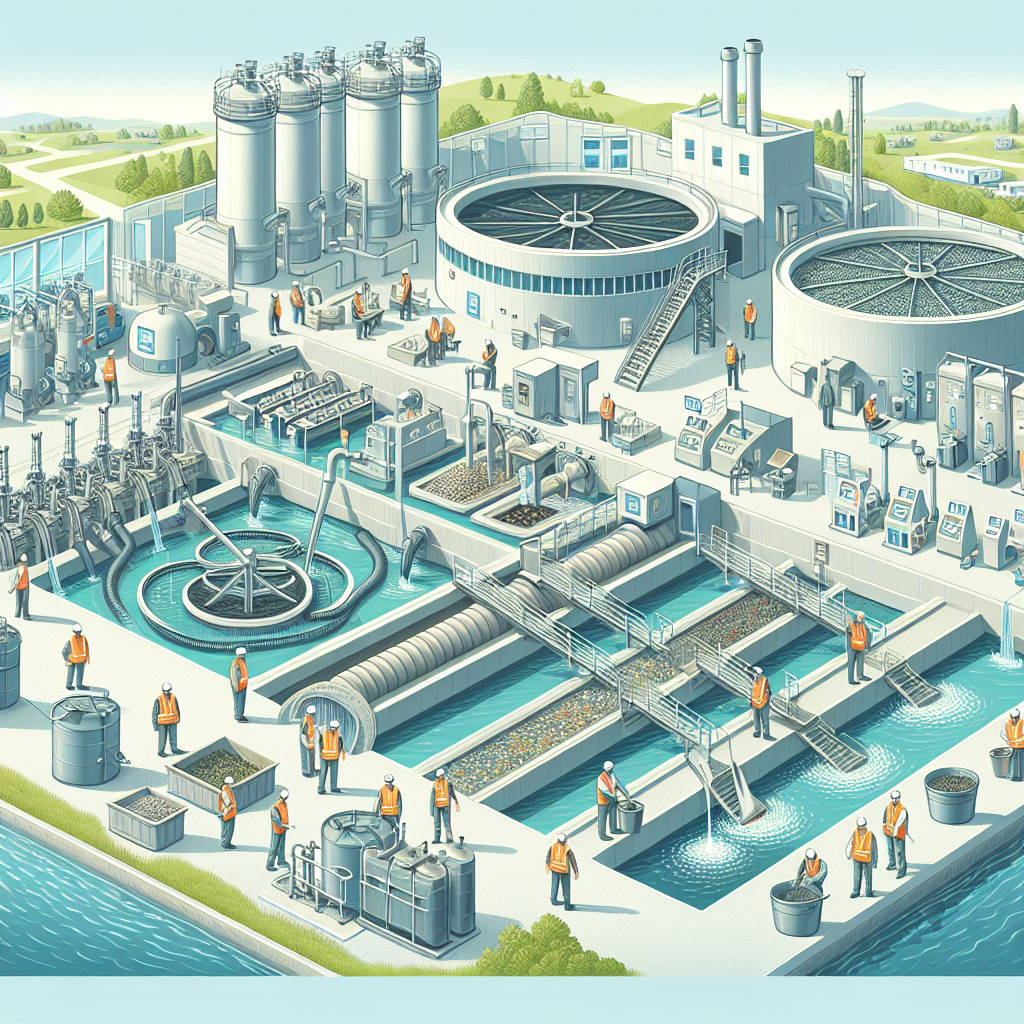
Effective Solids Management Strategies in Wastewater Treatment
Understanding the Composition of Wastewater Solids
Municipal wastewater solids are typically 60 to 80 percent volatile, meaning organic, depending on the mix of primary and waste activated sludge and the amount of grit and inert material reaching the plant. This article sits within our coverage of solids and residuals management. That’s right—half of what’s swirling around in your treatment plant could potentially be turned into renewable energy or valuable fertilizers. But before we can start dreaming about turning sludge into gold, we need to first understand what we’re dealing with.
The Components of Wastewater Solids
Wastewater solids are a mixed bag, and not all solids are created equal. They generally fall into three main categories: organic, inorganic, and microbial. Each type plays a critical role in how we approach solids management.
- Organic solids: These include food waste, human waste, and other biodegradable materials. They’re the stars of the show when it comes to anaerobic digestion.
- Inorganic solids: Think sand, silt, and metals. While they don’t contribute to energy production like organics do, they can cause headaches during filtration processes.
- Microbial solids: Bacteria and other microorganisms that help break down organic matter during treatment.
The Importance of Solids Characterization
Understanding the composition of these solids is crucial for effective solids management strategies. For example, a treatment facility with high levels of organic material might benefit from enhanced anaerobic digestion processes to maximize biogas production. On the flip side, a plant struggling with excessive inorganic materials may need to rethink its pretreatment methods to avoid costly equipment wear and tear.
Key Takeaway: Knowing what’s in your wastewater is like having a cheat sheet for better treatment outcomes.
Challenges in Solids Management
Sludge bulking is a term that strikes fear into the hearts of wastewater operators everywhere. This occurs when excess microbial growth leads to problems during sedimentation processes. If you’ve ever seen your clarifier resembling a bubbling cauldron instead of doing its job quietly at the bottom of a tank, you know exactly what I mean!
Fatbergs—those colossal blocks of congealed fat mixed with wipes and other debris—are another nightmare for municipalities. These solid masses can clog pipes and disrupt normal flow patterns if not managed properly. Understanding your solid composition helps identify potential fatberg contributors early on.
Regulatory Framework Governing Solids Management
Navigating the maze of regulations surrounding solids management can feel like trying to solve a Rubik’s Cube blindfolded. Most facilities meet their requirements, but biosolids rules are unusually detailed and change more often than the discharge permit does, so understanding the framework is essential for operational success.
Key Regulatory Bodies and Their Roles
In the U.S., the Environmental Protection Agency (EPA) is the heavyweight champion of wastewater regulations. They set national standards for solids management through the Clean Water Act, which governs everything from sludge disposal to biosolids land application. But you can’t forget state agencies, which often have their own specific guidelines that can complicate matters further.
- EPA: Establishes national standards for wastewater treatment and solids management.
- State Agencies: Implement and enforce regulations tailored to local conditions.
- Local Governments: May impose additional requirements based on community needs.
Key Regulations Impacting Solids Management
The Part 503 Rule is a cornerstone regulation when it comes to biosolids management. This rule dictates how treated sewage sludge can be safely reused or disposed of. Under this framework, facilities must adhere to specific treatment standards to ensure that biosolids don’t pose a risk to human health or the environment.
Important Note: Non-compliance with these regulations can lead not only to hefty fines but also potential shutdowns of facilities.
Resource Conservation and Recovery Act (RCRA) also plays a significant role in solid waste management by regulating hazardous waste disposal practices. If your plant is dealing with industrial wastewater, understanding RCRA’s implications is crucial for compliance.
Challenges in Regulatory Compliance
Keeping up with changing regulations can feel like running on a treadmill that speeds up unexpectedly. For instance, recent updates in nutrient management laws have forced many municipalities to rethink their solids handling strategies. Facilities must also maintain meticulous records, conduct regular testing, and prepare for inspections—all while managing day-to-day operations.
Two details of Part 503 drive most operating decisions. The rule distinguishes Class A biosolids, treated to reduce pathogens to below detection and eligible for unrestricted use, from Class B, which are land-applied under site restrictions covering crop harvesting, grazing, and public access. Separately, every land-applied product must meet vector attraction reduction requirements and ceiling concentrations for nine metals including arsenic, cadmium, lead, and mercury.
The live issue is PFAS. Part 503 does not currently regulate PFAS in biosolids, but EPA has been conducting a risk assessment, Maine has banned land application outright, and several states have introduced screening or limits. Any facility whose long-term plan rests on land application should be tracking this, since a change would move biosolids from a beneficial-use asset to a disposal cost almost overnight.
A small-town plant may struggle more than larger facilities due to limited resources and expertise. This disparity highlights the need for proactive training and investment in technology that aids compliance efforts without draining budgets.
Innovative Technologies for Solids Reduction
Picture this: a mid-sized municipal wastewater treatment plant struggling to keep up with the increasing volumes of solids. In an effort to reduce sludge and improve efficiency, they turned to innovative technologies that not only simplified their operations but also made them the talk of the town.
Advanced Mechanical Thickening
Mechanical thickening has taken a giant leap forward with innovations like the rotary drum thickener (RDT). Unlike traditional methods that require heavy machinery and significant energy input, Rotary drum thickeners use polymer conditioning and gravity drainage through a rotating screen, typically taking waste activated sludge from under 1 percent to roughly 4 to 7 percent solids at low power draw. Gravity belt thickeners achieve similar results and are the more common choice at larger plants.
Innovative Biological Processes
Biological processes are getting a facelift too. Take anaerobic digestion, for instance. Modern digesters are equipped with advanced monitoring systems that optimize conditions for microbial activity, resulting in enhanced biogas production and reduced sludge volume.
Key Insight: Upgrading to modern anaerobic digestion systems can increase biogas yields by up to 30%!
Cutting-Edge Chemical Solutions
New flocculants and coagulants are game-changers in solids reduction. These chemicals can significantly enhance sedimentation rates, leading to clearer effluent and less sludge buildup. Facilities using these advanced chemicals report smoother operations and reduced maintenance costs.
Real-World Success Stories
A wastewater treatment facility in California adopted an innovative solids reduction technology that combined mechanical thickening with advanced biological treatment processes. Within one year, they reported a staggering 40% reduction in sludge production while simultaneously increasing their energy recovery rates by over 25%.
Optimization of Dewatering Processes
Dewatering processes in wastewater treatment are all about maximizing efficiency. In fact, effective dewatering can reduce the volume of sludge by up to 90%, which is a game-changer for solids management.
Take, for instance, a mid-sized municipal plant grappling with rising operational costs due to excessive sludge disposal fees. By optimizing their dewatering processes, they not only cut down on waste but also turned their sludge into a valuable resource.
Choosing the Right Technology
Several technologies are available for optimizing dewatering, and selecting the right one is crucial. From belt filter presses to centrifuges and screw presses, each method has its pros and cons. The energy comparison here is commonly stated backwards. Centrifuges are the most energy-intensive of the common dewatering devices, typically by a wide margin over belt filter presses, because they spin a bowl at high speed continuously. What they buy for that energy is a drier cake in a small, fully enclosed footprint with no wash water and little odor. Belt presses use far less power but need substantial wash water and are open to the room. Understanding which of those trade-offs binds at your facility is what drives the choice.
- Belt Filter Press: High throughput, low energy, cake typically around 15 to 22 percent solids; needs continuous wash water and is open to the atmosphere.
- Centrifuge: Driest cake of the three, typically around 20 to 28 percent solids, fully enclosed and no wash water; highest energy use and the most demanding maintenance, with wear on the scroll and bowl.
- Screw Press: Slow-speed, low-energy, low-noise, and well suited to fibrous or variable sludge, with cake commonly around 15 to 25 percent solids; the trade-off is throughput per unit, so larger plants need multiple units.
Optimizing Polymer Usage
Polymer dosing plays a vital role in enhancing dewatering performance. Too little polymer, and you’re left with sludgy messes; too much, and you’re wasting money. Typical conditioning doses fall in the range of roughly 10 to 30 pounds of active polymer per dry ton, varying with sludge type and age, and polymer is often the largest single chemical cost at the plant. Testing matters because the right dose shifts as digestion performance and sludge age change.
Pro Tip: Conduct jar tests to determine the optimal polymer dosage before scaling up.
Monitoring Key Parameters
Effective monitoring is essential in optimizing dewatering processes. The parameters that matter are feed solids concentration, cake solids, polymer dose per dry ton, and solids capture, meaning the fraction of feed solids retained in the cake rather than returned in the filtrate or centrate. Capture below roughly 90 to 95 percent sends solids back to the head of the plant, where they recirculate and inflate the apparent load; a dewatering unit can look efficient on cake dryness while quietly overloading the liquid train. A small change in any of these factors can lead to significant variations in performance.
Incorporating automated systems for monitoring can save time and reduce human error.
Effective Handling and Transportation Solutions
Studies show that improper handling and transportation of solids can lead to up to a 30% increase in operational costs due to inefficiencies and equipment failures.
When it comes to solids management, the way we handle and transport sludge is just as critical as the treatment processes themselves. Picture this: a mid-sized municipal plant decides to cut corners by using outdated transportation methods for their sludge. The result? Frequent blockages, costly repairs, and a workforce that’s perpetually frustrated.
The Importance of Effective Handling
Effective handling starts at the source—the moment sludge leaves the digester. Implementing proper techniques can reduce the risk of contamination and ensure that the solids maintain their integrity during transportation. This means investing in robust systems like enclosed conveyors or vacuum pumps that minimize exposure to air and external contaminants.
- Enclosed conveyors: Prevent leakage and odor while maintaining solid consistency.
- Vacuum pumps: Ideal for transporting thickened sludge with minimal turbulence.
- Pneumatic systems: Efficient for moving solids over long distances without degradation.
Optimizing Transportation Methods
Once you’ve nailed down handling, it’s time to focus on transportation. Using tankers designed specifically for sludge transport can significantly reduce spillage risks while ensuring compliance with environmental regulations.
Key Insight: Upgrading your transportation fleet can lead to savings of up to 20% in operational costs by reducing downtime related to spills or equipment failures.
Monitoring Systems for Continuous Improvement
Monitoring flow, pressure, and blockage indicators lets operators address issues before they escalate. One planning point often missed: dewatered cake handling is governed by its solids content, since cake below about 15 percent solids will not stack or convey reliably and may not pass a paint filter test for landfill acceptance, while drier cake is easier to haul but costs more energy to produce. A parallel treatment of these strategies appears in our article on solids management strategies in wastewater treatment.
Utilization of Biosolids: Resource Recovery Approaches
Roughly half of U.S. biosolids are put to beneficial use, most of it land application, with the remainder landfilled or incinerated; the split varies considerably by state and by proximity to farmland. The potential for resource recovery from biosolids is staggering, and many municipalities are still sitting on the sidelines.
Imagine a city grappling with rising disposal costs and limited landfill space. Instead of sending biosolids off to a dump, they could be transformed into nutrient-rich fertilizers or even renewable energy.
Biosolids as Fertilizers
One of the most common applications for biosolids is their use as fertilizers in agriculture. When treated properly, these organic materials can enrich soil health, improve crop yields, and reduce reliance on chemical fertilizers. A notable example is a municipality that began land application of its biosolids and saw local farmers report a 20% increase in crop production within two growing seasons!
However, it’s crucial to adhere to strict regulatory guidelines during this process. The Part 503 Rule ensures that biosolids meet safety standards before they can be applied to land, protecting both human health and the environment.
Energy Recovery from Biosolids
Another exciting avenue for resource recovery is energy generation. Through anaerobic digestion, municipalities can convert organic solids into biogas—a renewable energy source that can power treatment plants or even feed back into the grid! This not only reduces waste but also helps facilities become energy neutral or even energy positive.
Key Insight: Facilities utilizing anaerobic digestion can achieve up to 50% reduction in sludge volume while generating renewable energy!
Innovative Products from Biosolids
Innovative technologies are paving the way for new products derived from biosolids. From biochar (a charcoal-like substance used for soil enhancement) to construction materials like bricks and cement alternatives, the possibilities are expanding rapidly.
Long-term Management Strategies for Residuals
Residuals can pile up faster than your laundry on a busy weekend, and if left unchecked, they can wreak havoc on operations and budgets.
Managing residuals isn’t just about getting rid of sludge; it’s about creating a sustainable strategy that keeps your plant running smoothly while also being kind to Mother Earth. A well-thought-out long-term management strategy can mean the difference between a facility that thrives and one that merely survives.
Establishing Clear Goals
First things first: you need to set clear, measurable goals for your solids management strategy. Are you aiming to reduce sludge volume by 30% over the next five years? Or perhaps you want to increase biosolid reuse by 50%? Whatever it is, make sure everyone in your facility is on the same page.
Investing in Technology
Investing in advanced treatment technologies—like enhanced anaerobic digestion systems or automated monitoring tools—can help manage residuals more effectively. Not only do these technologies improve efficiency, but they can also lower operational costs in the long run.
Regular Monitoring and Assessment
Consistency is key! Regular monitoring of residuals allows you to assess performance and identify issues before they escalate into costly problems. Implement routine testing protocols for solids composition and operational efficiency.
Pro Tip: Schedule annual reviews of your solids management strategies to adapt and improve as needed.
Training Staff
Knowledge is power! Equip your staff with training on best practices in solids management. This not only enhances operational efficiency but also fosters a culture of responsibility within your team. When everyone understands their role in managing residuals, you’ll see significant improvements across the board.
So what’s next? Start implementing these long-term strategies today! The health of your wastewater treatment facility—and its budget—depends on effective solids management practices that are proactive rather than reactive.