
Integrated Water and Waste Treatment Systems for Modern Facilities
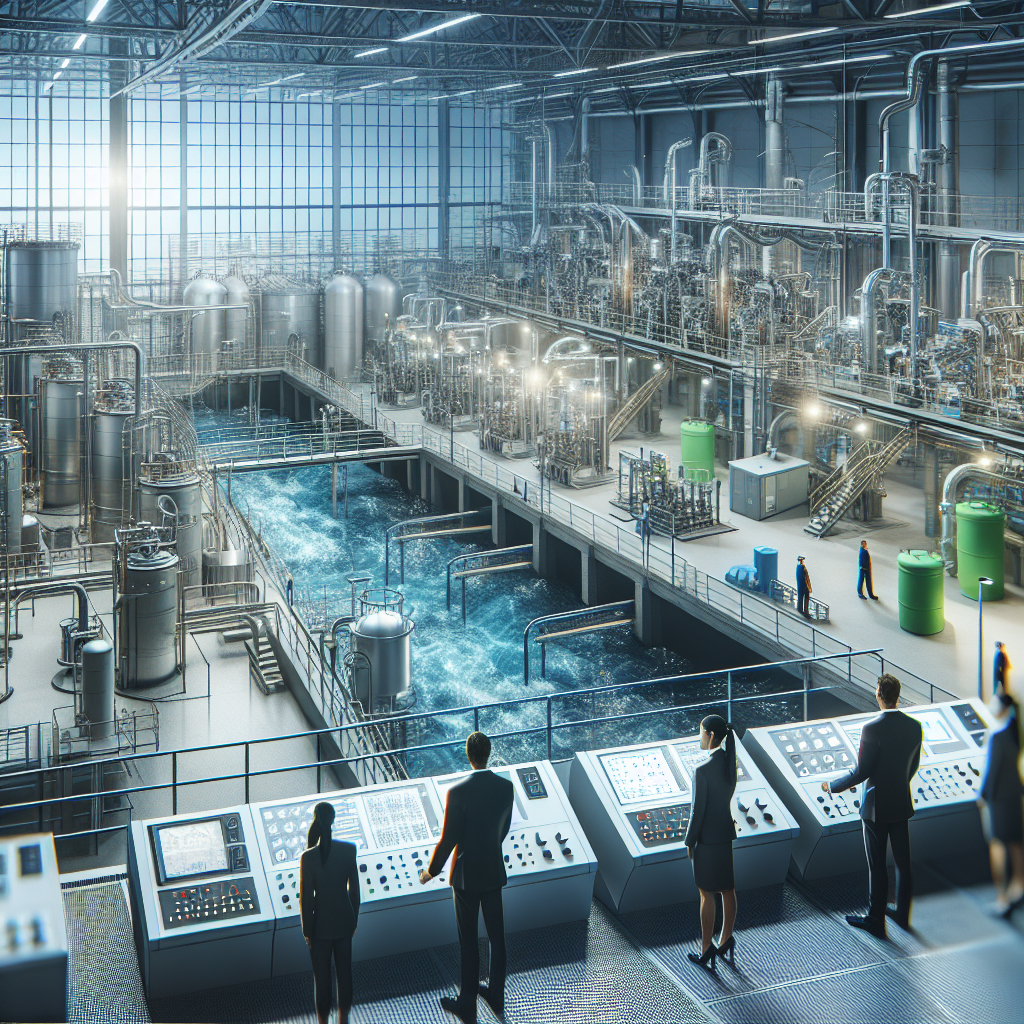
Integrated Water and Waste Treatment Systems for Modern Facilities
Overview of Integrated Systems in Water and Waste Treatment
Did you know that nearly 80% of the world's wastewater is released back into the environment without adequate treatment? That's a staggering statistic that underscores the urgent need for integrated systems in water and waste treatment. Picture a bustling city, where every drop of water is precious, yet half the time it's being squandered or contaminated. This isn't just a problem; it's a crisis waiting to happen.
Integrated systems in water and waste treatment are not just about combining processes; they're about creating a seamless flow that maximizes efficiency while minimizing environmental impact. Think of it as the ultimate team-up between various technologies—like your favorite superhero crossover—where each system complements the other to tackle the dual challenges of providing clean water and treating wastewater.
The Components of Integrated Systems
At the heart of these integrated systems are several key components, each playing a vital role. For instance, advanced filtration techniques work hand-in-hand with biological treatment methods to ensure that contaminants are effectively removed from both drinking water and wastewater streams.
- Membrane bioreactors (MBRs) for efficient solid-liquid separation.
- Activated sludge processes for nutrient removal.
- Advanced oxidation processes (AOPs) for breaking down complex pollutants.
- Constructed wetlands for natural filtration.
By integrating these components, facilities can achieve higher removal rates for pollutants while reducing energy consumption—a win-win scenario. Imagine a municipal plant that's not only meeting regulatory standards but also reusing treated wastewater for irrigation or industrial purposes. Now that's what I call resourceful!
Benefits Beyond Compliance
But wait, you might say, isn't this just about meeting regulations? Not quite! Integrated systems offer benefits that extend far beyond compliance. For example, they can lead to significant cost savings through reduced operational expenses and energy use. A facility in California reported cutting its energy costs by over 30% after implementing an integrated approach to its water treatment processes.
Sustainability isn't just an option; it's becoming a necessity.
And let’s not forget about public perception! A facility that actively promotes its sustainable practices can enhance its community image, attracting new residents and businesses eager to support environmentally friendly initiatives.
'What's Next?' – The Future of Treatment Systems
As we look ahead, advancements like smart sensors and AI-driven analytics are set to revolutionize how we manage these integrated systems. Imagine being able to monitor every aspect of your facility from your phone—detecting leaks before they become floods or optimizing chemical usage in real-time based on incoming water quality data.
In essence, embracing integrated systems is not merely an operational upgrade; it's about future-proofing our approach to one of humanity's most critical resources: clean water.
Did you know that nearly 80% of the world's wastewater is released back into the environment without adequate treatment? That's a staggering statistic that underscores the urgent need for integrated systems in water and waste treatment. Picture a bustling city, where every drop of water is precious, yet half the time it's being squandered or contaminated. This isn't just a problem; it's a crisis waiting to happen.
Integrated systems in water and waste treatment are not just about combining processes; they're about creating a seamless flow that maximizes efficiency while minimizing environmental impact. Think of it as the ultimate team-up between various technologies—like your favorite superhero crossover—where each system complements the other to tackle the dual challenges of providing clean water and treating wastewater.
The Components of Integrated Systems
At the heart of these integrated systems are several key components, each playing a vital role. For instance, advanced filtration techniques work hand-in-hand with biological treatment methods to ensure that contaminants are effectively removed from both drinking water and wastewater streams.
- Membrane bioreactors (MBRs) for efficient solid-liquid separation.
- Activated sludge processes for nutrient removal.
- Advanced oxidation processes (AOPs) for breaking down complex pollutants.
- Constructed wetlands for natural filtration.
By integrating these components, facilities can achieve higher removal rates for pollutants while reducing energy consumption—a win-win scenario. Imagine a municipal plant that's not only meeting regulatory standards but also reusing treated wastewater for irrigation or industrial purposes. Now that's what I call resourceful!
Benefits Beyond Compliance
But wait, you might say, isn't this just about meeting regulations? Not quite! Integrated systems offer benefits that extend far beyond compliance. For example, they can lead to significant cost savings through reduced operational expenses and energy use. A facility in California reported cutting its energy costs by over 30% after implementing an integrated approach to its water treatment processes.
Sustainability isn't just an option; it's becoming a necessity.
And let’s not forget about public perception! A facility that actively promotes its sustainable practices can enhance its community image, attracting new residents and businesses eager to support environmentally friendly initiatives.
'What's Next?' – The Future of Treatment Systems
As we look ahead, advancements like smart sensors and AI-driven analytics are set to revolutionize how we manage these integrated systems. Imagine being able to monitor every aspect of your facility from your phone—detecting leaks before they become floods or optimizing chemical usage in real-time based on incoming water quality data.
In essence, embracing integrated systems is not merely an operational upgrade; it's about future-proofing our approach to one of humanity's most critical resources: clean water.
Technological Innovations in Water and Waste Treatment Integration
Imagine a wastewater treatment plant that not only cleans water but also generates energy. Sounds like sci-fi? Welcome to the future of water and waste treatment integration! With the advent of cutting-edge technologies, facilities are now harnessing innovations that transform wastewater into a valuable resource rather than just a problem to manage.
Smart Sensors and IoT: The Eyes and Ears of Treatment Facilities
Smart sensors are revolutionizing how we monitor water quality and system performance. These tiny tech marvels can track everything from flow rates to chemical concentrations in real-time, allowing operators to make informed decisions faster than ever. For instance, a mid-sized municipal plant in Florida recently implemented IoT technology that reduced its response time to anomalies by over 50%, preventing costly overflows and optimizing chemical usage.
AI-Powered Analytics: Predicting the Future
Artificial intelligence is stepping into the spotlight, analyzing vast amounts of data collected from these sensors. By employing machine learning algorithms, facilities can predict system failures before they happen. This predictive maintenance approach not only saves money but also enhances reliability. Picture a facility that can forecast equipment malfunctions weeks in advance—now that's peace of mind!
'Data-driven decision-making is no longer a luxury; it's a necessity for modern facilities.'
Energy Recovery Systems: Turning Waste into Power
Waste-to-energy is more than just a buzzword; it’s an innovative approach that integrates anaerobic digestion processes with traditional treatment. Facilities are now able to convert organic waste into biogas, which can be used to generate electricity or heat. A facility in Germany has successfully reduced its energy costs by over 40% simply by implementing such systems, showcasing how integrating waste treatment with energy recovery can create a self-sustaining operation.
But what about the environment? you might ask. These tech advancements don’t just help plants save money; they also significantly reduce their carbon footprint. By optimizing processes and recovering energy, facilities can contribute positively to global sustainability goals.
What’s Next? – Future Innovations on the Horizon
The future looks bright for integrated water and waste treatment systems! Emerging technologies like decentralized treatment solutions and advanced filtration methods are on the rise. Imagine small communities using modular systems that treat wastewater locally while generating clean energy—this isn’t just innovation; it’s evolution!
As we embrace these technological innovations in water and waste treatment integration, facilities must stay ahead of the curve—adapting not only for compliance but for resilience against future challenges.
Imagine a wastewater treatment plant that not only cleans water but also generates energy. Sounds like sci-fi? Welcome to the future of water and waste treatment integration! With the advent of cutting-edge technologies, facilities are now harnessing innovations that transform wastewater into a valuable resource rather than just a problem to manage.
Smart Sensors and IoT: The Eyes and Ears of Treatment Facilities
Smart sensors are revolutionizing how we monitor water quality and system performance. These tiny tech marvels can track everything from flow rates to chemical concentrations in real-time, allowing operators to make informed decisions faster than ever. For instance, a mid-sized municipal plant in Florida recently implemented IoT technology that reduced its response time to anomalies by over 50%, preventing costly overflows and optimizing chemical usage.
AI-Powered Analytics: Predicting the Future
Artificial intelligence is stepping into the spotlight, analyzing vast amounts of data collected from these sensors. By employing machine learning algorithms, facilities can predict system failures before they happen. This predictive maintenance approach not only saves money but also enhances reliability. Picture a facility that can forecast equipment malfunctions weeks in advance—now that's peace of mind!
'Data-driven decision-making is no longer a luxury; it's a necessity for modern facilities.'
Energy Recovery Systems: Turning Waste into Power
Waste-to-energy is more than just a buzzword; it’s an innovative approach that integrates anaerobic digestion processes with traditional treatment. Facilities are now able to convert organic waste into biogas, which can be used to generate electricity or heat. A facility in Germany has successfully reduced its energy costs by over 40% simply by implementing such systems, showcasing how integrating waste treatment with energy recovery can create a self-sustaining operation.
But what about the environment? you might ask. These tech advancements don’t just help plants save money; they also significantly reduce their carbon footprint. By optimizing processes and recovering energy, facilities can contribute positively to global sustainability goals.
What’s Next? – Future Innovations on the Horizon
The future looks bright for integrated water and waste treatment systems! Emerging technologies like decentralized treatment solutions and advanced filtration methods are on the rise. Imagine small communities using modular systems that treat wastewater locally while generating clean energy—this isn’t just innovation; it’s evolution!
As we embrace these technological innovations in water and waste treatment integration, facilities must stay ahead of the curve—adapting not only for compliance but for resilience against future challenges.
Design Considerations for Integrated Treatment Facilities
When it comes to integrated treatment facilities, the design isn't just a matter of aesthetics; it’s about functionality and efficiency. A poorly designed facility can lead to operational headaches that feel like a never-ending game of Whac-A-Mole—just when you think you've solved one problem, another pops up!
Take, for example, a mid-sized urban wastewater treatment plant struggling with space constraints. Its outdated layout forced operators to shuffle equipment around like a game of Tetris, leading to inefficiencies and increased maintenance costs. The solution? A comprehensive redesign that prioritized an integrated approach—streamlining processes and maximizing space utilization.
Key Design Principles
Designing an integrated treatment facility requires balancing multiple factors. Here are some key principles to keep in mind:
- Modularity: Ensure systems can be expanded or modified as needs change.
- Flexibility: Design for adaptability in technology and processes.
- Efficiency: Optimize layout to minimize energy consumption and operational costs.
- Sustainability: Incorporate green technologies like solar panels or rainwater harvesting.
'Sustainability is no longer just a buzzword; it's a design imperative.' When planning your facility, consider how each component interacts with others. For instance, integrating energy recovery systems into your design not only reduces waste but also generates power that can offset operational costs.
The Human Factor – Operator Considerations
If you build it, they will come might work in movies, but in real life, if you build it poorly, operators will run for the hills! Designing with the end-user in mind is crucial. This means creating intuitive control rooms that allow operators to monitor systems efficiently and react swiftly to issues.
Operator comfort leads to better performance.
A well-designed control room should be as user-friendly as your favorite smartphone app. Think about ergonomics—ensure that essential controls are within easy reach and that information displays are clear and concise. This not only enhances operator efficiency but also boosts morale.
When it comes to integrated treatment facilities, the design isn't just a matter of aesthetics; it’s about functionality and efficiency. A poorly designed facility can lead to operational headaches that feel like a never-ending game of Whac-A-Mole—just when you think you've solved one problem, another pops up!
Take, for example, a mid-sized urban wastewater treatment plant struggling with space constraints. Its outdated layout forced operators to shuffle equipment around like a game of Tetris, leading to inefficiencies and increased maintenance costs. The solution? A comprehensive redesign that prioritized an integrated approach—streamlining processes and maximizing space utilization.
Key Design Principles
Designing an integrated treatment facility requires balancing multiple factors. Here are some key principles to keep in mind:
- Modularity: Ensure systems can be expanded or modified as needs change.
- Flexibility: Design for adaptability in technology and processes.
- Efficiency: Optimize layout to minimize energy consumption and operational costs.
- Sustainability: Incorporate green technologies like solar panels or rainwater harvesting.
'Sustainability is no longer just a buzzword; it's a design imperative.' When planning your facility, consider how each component interacts with others. For instance, integrating energy recovery systems into your design not only reduces waste but also generates power that can offset operational costs.
The Human Factor – Operator Considerations
If you build it, they will come might work in movies, but in real life, if you build it poorly, operators will run for the hills! Designing with the end-user in mind is crucial. This means creating intuitive control rooms that allow operators to monitor systems efficiently and react swiftly to issues.
Operator comfort leads to better performance.
A well-designed control room should be as user-friendly as your favorite smartphone app. Think about ergonomics—ensure that essential controls are within easy reach and that information displays are clear and concise. This not only enhances operator efficiency but also boosts morale.
Operational Efficiency in Integrated Systems
Imagine a wastewater treatment facility that processes millions of gallons daily, yet operates with the finesse of a well-oiled machine. That’s not just wishful thinking; it’s the reality for facilities that embrace operational efficiency through integrated systems. With the right setup, these plants can reduce operational costs by up to 50% while simultaneously improving water quality.
Let’s break down what makes operational efficiency in integrated water and waste treatment systems not just a buzzword, but a game-changer. The key lies in seamless communication between various components—think of it as a finely-tuned orchestra where every instrument plays its part perfectly.
Streamlined Processes
In an integrated system, processes are interconnected. For instance, when a facility employs advanced filtration alongside biological treatment, it can achieve higher pollutant removal rates without needing additional energy inputs. This synergy means less downtime and more consistent output quality—like having your cake and eating it too!
Take the case of a municipal plant in Texas that integrated real-time monitoring systems with its existing infrastructure. By doing so, they were able to identify bottlenecks in their processes almost instantly. The result? A staggering reduction in maintenance costs and an increase in overall throughput.
Data-Driven Decision Making
The backbone of operational efficiency is data analytics. Facilities equipped with smart sensors can track everything from flow rates to chemical concentrations, allowing operators to make informed decisions faster than ever before. Imagine having the ability to predict equipment failures before they happen—this isn’t science fiction; it’s today’s reality for forward-thinking operations.
'Data-driven decision-making is no longer optional; it's essential for optimizing water and waste treatment.'
A facility in New York recently reported a 35% decrease in chemical usage after implementing an AI-driven analytics platform that optimizes dosing based on real-time data. This kind of foresight not only saves money but also minimizes environmental impact.
Waste Not, Want Not – Energy Recovery
Waste-to-energy strategies are gaining traction as facilities look for ways to enhance operational efficiency while being environmentally conscious. By integrating anaerobic digestion into their systems, plants can convert organic waste into biogas—a renewable energy source that can power operations or be sold back to the grid.
For example, a facility in Germany turned its waste management woes into profits by generating enough biogas to cover nearly all its energy needs. This is not just about compliance; it's about creating a self-sustaining ecosystem within the facility.
Imagine a wastewater treatment facility that processes millions of gallons daily, yet operates with the finesse of a well-oiled machine. That’s not just wishful thinking; it’s the reality for facilities that embrace operational efficiency through integrated systems. With the right setup, these plants can reduce operational costs by up to 50% while simultaneously improving water quality.
Let’s break down what makes operational efficiency in integrated water and waste treatment systems not just a buzzword, but a game-changer. The key lies in seamless communication between various components—think of it as a finely-tuned orchestra where every instrument plays its part perfectly.
Streamlined Processes
In an integrated system, processes are interconnected. For instance, when a facility employs advanced filtration alongside biological treatment, it can achieve higher pollutant removal rates without needing additional energy inputs. This synergy means less downtime and more consistent output quality—like having your cake and eating it too!
Take the case of a municipal plant in Texas that integrated real-time monitoring systems with its existing infrastructure. By doing so, they were able to identify bottlenecks in their processes almost instantly. The result? A staggering reduction in maintenance costs and an increase in overall throughput.
Data-Driven Decision Making
The backbone of operational efficiency is data analytics. Facilities equipped with smart sensors can track everything from flow rates to chemical concentrations, allowing operators to make informed decisions faster than ever before. Imagine having the ability to predict equipment failures before they happen—this isn’t science fiction; it’s today’s reality for forward-thinking operations.
'Data-driven decision-making is no longer optional; it's essential for optimizing water and waste treatment.'
A facility in New York recently reported a 35% decrease in chemical usage after implementing an AI-driven analytics platform that optimizes dosing based on real-time data. This kind of foresight not only saves money but also minimizes environmental impact.
Waste Not, Want Not – Energy Recovery
Waste-to-energy strategies are gaining traction as facilities look for ways to enhance operational efficiency while being environmentally conscious. By integrating anaerobic digestion into their systems, plants can convert organic waste into biogas—a renewable energy source that can power operations or be sold back to the grid.
For example, a facility in Germany turned its waste management woes into profits by generating enough biogas to cover nearly all its energy needs. This is not just about compliance; it's about creating a self-sustaining ecosystem within the facility.
Case Studies: Successful Implementation of Integrated Systems
When it comes to integrated water and waste treatment systems, the proof is in the pudding—or rather, in the clean water. Take a look at Green City, a mid-sized municipality that faced serious challenges with its outdated wastewater treatment facility. With rising population demands and stricter regulations, they knew something had to change.
In 2021, Green City decided to overhaul its treatment plant by implementing an integrated system that combined advanced filtration, biological treatment, and energy recovery. This wasn’t just a cosmetic upgrade; it was a complete transformation that turned their facility into a model of efficiency.
The Game-Changer: Advanced Filtration
The first step was integrating membrane bioreactor (MBR) technology. This allowed Green City to significantly enhance solid-liquid separation while reducing the footprint of their operations. Before this upgrade, they were struggling with sedimentation issues that led to frequent maintenance shutdowns. Post-implementation? They reported a staggering 50% reduction in downtime.
Biological Treatment Meets Energy Recovery
Next up was the biological treatment phase. By incorporating activated sludge processes alongside anaerobic digestion for energy recovery, Green City not only improved nutrient removal but also converted organic waste into biogas. This biogas now fuels their operations—talk about turning trash into treasure! Their energy costs plummeted by over 40%, freeing up budget for other essential community projects.
Waste Not Philosophy in Action
Waste not, want not became more than just a catchy phrase for Green City; it became their operational mantra. With the new integrated system in place, they began reusing treated wastewater for irrigation in public parks and green spaces. Not only did this practice help conserve precious water resources, but it also garnered praise from residents who appreciated the city's commitment to sustainability.
Green City reduced operational costs by over 0,000 annually after implementing integrated systems.
What’s next? you might ask. For Green City, it's about continuous improvement—monitoring performance through real-time data analytics and adapting processes as needed. Their story serves as an inspiring example for municipalities everywhere looking to modernize their water and waste treatment facilities.
When it comes to integrated water and waste treatment systems, the proof is in the pudding—or rather, in the clean water. Take a look at Green City, a mid-sized municipality that faced serious challenges with its outdated wastewater treatment facility. With rising population demands and stricter regulations, they knew something had to change.
In 2021, Green City decided to overhaul its treatment plant by implementing an integrated system that combined advanced filtration, biological treatment, and energy recovery. This wasn’t just a cosmetic upgrade; it was a complete transformation that turned their facility into a model of efficiency.
The Game-Changer: Advanced Filtration
The first step was integrating membrane bioreactor (MBR) technology. This allowed Green City to significantly enhance solid-liquid separation while reducing the footprint of their operations. Before this upgrade, they were struggling with sedimentation issues that led to frequent maintenance shutdowns. Post-implementation? They reported a staggering 50% reduction in downtime.
Biological Treatment Meets Energy Recovery
Next up was the biological treatment phase. By incorporating activated sludge processes alongside anaerobic digestion for energy recovery, Green City not only improved nutrient removal but also converted organic waste into biogas. This biogas now fuels their operations—talk about turning trash into treasure! Their energy costs plummeted by over 40%, freeing up budget for other essential community projects.
Waste Not Philosophy in Action
Waste not, want not became more than just a catchy phrase for Green City; it became their operational mantra. With the new integrated system in place, they began reusing treated wastewater for irrigation in public parks and green spaces. Not only did this practice help conserve precious water resources, but it also garnered praise from residents who appreciated the city's commitment to sustainability.
Green City reduced operational costs by over $500,000 annually after implementing integrated systems.
What’s next? you might ask. For Green City, it's about continuous improvement—monitoring performance through real-time data analytics and adapting processes as needed. Their story serves as an inspiring example for municipalities everywhere looking to modernize their water and waste treatment facilities.
Future Directions in Integrated Water and Waste Treatment
The future of integrated water and waste treatment is not just bright; it's practically glowing with potential. With global water scarcity becoming a pressing issue, innovative solutions are emerging at a rapid pace. For instance, did you know that by 2030, the global water demand is projected to exceed supply by 40%? That's not just a statistic; it's a wake-up call for municipalities and treatment facilities everywhere.
As we look ahead, several key trends are shaping the landscape of integrated systems in water and waste treatment. Think of it as a tech renaissance—where traditional methods meet groundbreaking innovations to create solutions that are not only efficient but also sustainable.
Decentralized Treatment Solutions
Decentralized systems are gaining traction as municipalities seek flexibility and resilience. Imagine a small community utilizing modular treatment units that process wastewater locally while generating clean energy. This approach reduces transportation costs and minimizes environmental impact, all while fostering community engagement. A prime example is the rise of containerized wastewater treatment plants, which can be deployed quickly to meet urgent needs without extensive infrastructure investment.
Advanced Filtration Technologies
Next up on the innovation list? Advanced filtration technologies like membrane bioreactors (MBRs) and nanofiltration systems are revolutionizing how we treat both drinking water and wastewater. These technologies not only enhance pollutant removal but also allow for the recovery of valuable resources like nutrients and even potable water from treated effluent. Just imagine turning yesterday's waste into tomorrow's drinking water—now that's a game changer!
Resource recovery is no longer an afterthought; it’s becoming integral to modern treatment processes.
AI-Driven Optimization
Data is the new oil, they say—and in integrated water and waste treatment, that's absolutely true. AI-driven analytics are set to take optimization to the next level, enabling real-time adjustments based on incoming data from smart sensors. Imagine facilities that can predict fluctuations in water quality or operational bottlenecks before they become problems. This proactive approach not only enhances efficiency but significantly extends equipment lifespan.
Circular Economy Approaches
Waste not, want not isn’t just a catchy phrase—it’s evolving into a guiding principle for integrated systems. The circular economy model encourages facilities to view waste as a resource rather than something to dispose of. By integrating anaerobic digestion processes with traditional treatment methods, plants can convert organic waste into biogas for energy production or even compost for agricultural use.
These advancements signal a shift toward more holistic approaches in managing our precious resources—an essential step as we face increasing environmental challenges.
So what should you take away from all this? The landscape of integrated water and waste treatment is evolving rapidly due to technological innovations that prioritize sustainability and efficiency. As these trends continue to unfold, it's crucial for municipalities and operators alike to stay informed and adapt their practices accordingly.
The future of integrated water and waste treatment is not just bright; it's practically glowing with potential. With global water scarcity becoming a pressing issue, innovative solutions are emerging at a rapid pace. For instance, did you know that by 2030, the global water demand is projected to exceed supply by 40%? That's not just a statistic; it's a wake-up call for municipalities and treatment facilities everywhere.
As we look ahead, several key trends are shaping the landscape of integrated systems in water and waste treatment. Think of it as a tech renaissance—where traditional methods meet groundbreaking innovations to create solutions that are not only efficient but also sustainable.
Decentralized Treatment Solutions
Decentralized systems are gaining traction as municipalities seek flexibility and resilience. Imagine a small community utilizing modular treatment units that process wastewater locally while generating clean energy. This approach reduces transportation costs and minimizes environmental impact, all while fostering community engagement. A prime example is the rise of containerized wastewater treatment plants, which can be deployed quickly to meet urgent needs without extensive infrastructure investment.
Advanced Filtration Technologies
Next up on the innovation list? Advanced filtration technologies like membrane bioreactors (MBRs) and nanofiltration systems are revolutionizing how we treat both drinking water and wastewater. These technologies not only enhance pollutant removal but also allow for the recovery of valuable resources like nutrients and even potable water from treated effluent. Just imagine turning yesterday's waste into tomorrow's drinking water—now that's a game changer!
Resource recovery is no longer an afterthought; it’s becoming integral to modern treatment processes.
AI-Driven Optimization
Data is the new oil, they say—and in integrated water and waste treatment, that's absolutely true. AI-driven analytics are set to take optimization to the next level, enabling real-time adjustments based on incoming data from smart sensors. Imagine facilities that can predict fluctuations in water quality or operational bottlenecks before they become problems. This proactive approach not only enhances efficiency but significantly extends equipment lifespan.
Circular Economy Approaches
Waste not, want not isn’t just a catchy phrase—it’s evolving into a guiding principle for integrated systems. The circular economy model encourages facilities to view waste as a resource rather than something to dispose of. By integrating anaerobic digestion processes with traditional treatment methods, plants can convert organic waste into biogas for energy production or even compost for agricultural use.
These advancements signal a shift toward more holistic approaches in managing our precious resources—an essential step as we face increasing environmental challenges.
So what should you take away from all this? The landscape of integrated water and waste treatment is evolving rapidly due to technological innovations that prioritize sustainability and efficiency. As these trends continue to unfold, it's crucial for municipalities and operators alike to stay informed and adapt their practices accordingly.
Challenges Facing Integrated Treatment Systems Today
Despite the promise of integrated water and waste treatment systems, many facilities still face significant hurdles that threaten their efficacy. For instance, a recent study revealed that nearly 40% of municipalities struggle with outdated infrastructure, leading to inefficiencies and increased operational costs.
Imagine a bustling urban wastewater treatment plant trying to juggle a growing population and aging equipment. It's like trying to keep up with a marathon while wearing flip-flops—frustrating and often counterproductive. The reality is that many facilities are caught in a cycle of reactive maintenance rather than proactive upgrades, leading to service interruptions and compliance issues.
Regulatory Compliance: The Constant Pressure
Navigating the maze of regulatory requirements can feel like an Olympic sport for treatment facility operators. With standards constantly evolving, staying compliant often requires significant investments in technology and training. For example, the introduction of stricter nutrient removal regulations has left many plants scrambling to upgrade their processes without adequate funding or time.
Compliance isn't just about meeting standards; it's about ensuring public health and trust.
Financial Constraints: The Budget Balancing Act
Funding is another major barrier. Municipal budgets are often tight, with competing priorities pulling resources in multiple directions. A small town might need to choose between upgrading its water treatment facility or fixing potholes in the streets—talk about a tough call! This lack of financial support can stifle innovation and prevent necessary upgrades from being implemented.
'You can't manage what you can't measure' rings true here; without investment in data analytics and monitoring tools, facilities may miss opportunities for efficiency gains or early detection of issues.
Tech Overload – The Challenge of Integration
Tech overload is another real concern for modern treatment facilities. While integrating advanced technologies like AI-driven analytics can enhance performance, the sheer volume of data generated can become overwhelming without proper systems in place to manage it. Imagine trying to drink from a fire hose—it's messy and inefficient!
Integration should simplify processes; if it complicates them, it’s time for a rethink.
The Human Element – Training and Workforce Challenges
Finally, let’s not forget about the human element. A facility is only as good as its operators, yet many plants struggle with workforce shortages and training gaps. As technologies evolve rapidly, keeping staff trained on the latest systems becomes a daunting task. This lack of skilled labor can lead to inefficiencies and increased risk of errors—so who’s really running the show?
Despite the promise of integrated water and waste treatment systems, many facilities still face significant hurdles that threaten their efficacy. For instance, a recent study revealed that nearly 40% of municipalities struggle with outdated infrastructure, leading to inefficiencies and increased operational costs.
Imagine a bustling urban wastewater treatment plant trying to juggle a growing population and aging equipment. It's like trying to keep up with a marathon while wearing flip-flops—frustrating and often counterproductive. The reality is that many facilities are caught in a cycle of reactive maintenance rather than proactive upgrades, leading to service interruptions and compliance issues.
Regulatory Compliance: The Constant Pressure
Navigating the maze of regulatory requirements can feel like an Olympic sport for treatment facility operators. With standards constantly evolving, staying compliant often requires significant investments in technology and training. For example, the introduction of stricter nutrient removal regulations has left many plants scrambling to upgrade their processes without adequate funding or time.
Compliance isn't just about meeting standards; it's about ensuring public health and trust.
Financial Constraints: The Budget Balancing Act
Funding is another major barrier. Municipal budgets are often tight, with competing priorities pulling resources in multiple directions. A small town might need to choose between upgrading its water treatment facility or fixing potholes in the streets—talk about a tough call! This lack of financial support can stifle innovation and prevent necessary upgrades from being implemented.
'You can't manage what you can't measure' rings true here; without investment in data analytics and monitoring tools, facilities may miss opportunities for efficiency gains or early detection of issues.
Tech Overload – The Challenge of Integration
Tech overload is another real concern for modern treatment facilities. While integrating advanced technologies like AI-driven analytics can enhance performance, the sheer volume of data generated can become overwhelming without proper systems in place to manage it. Imagine trying to drink from a fire hose—it's messy and inefficient!
Integration should simplify processes; if it complicates them, it’s time for a rethink.
The Human Element – Training and Workforce Challenges
Finally, let’s not forget about the human element. A facility is only as good as its operators, yet many plants struggle with workforce shortages and training gaps. As technologies evolve rapidly, keeping staff trained on the latest systems becomes a daunting task. This lack of skilled labor can lead to inefficiencies and increased risk of errors—so who’s really running the show?