
Nitrification and Denitrification: Essential Processes for Nutrient Removal
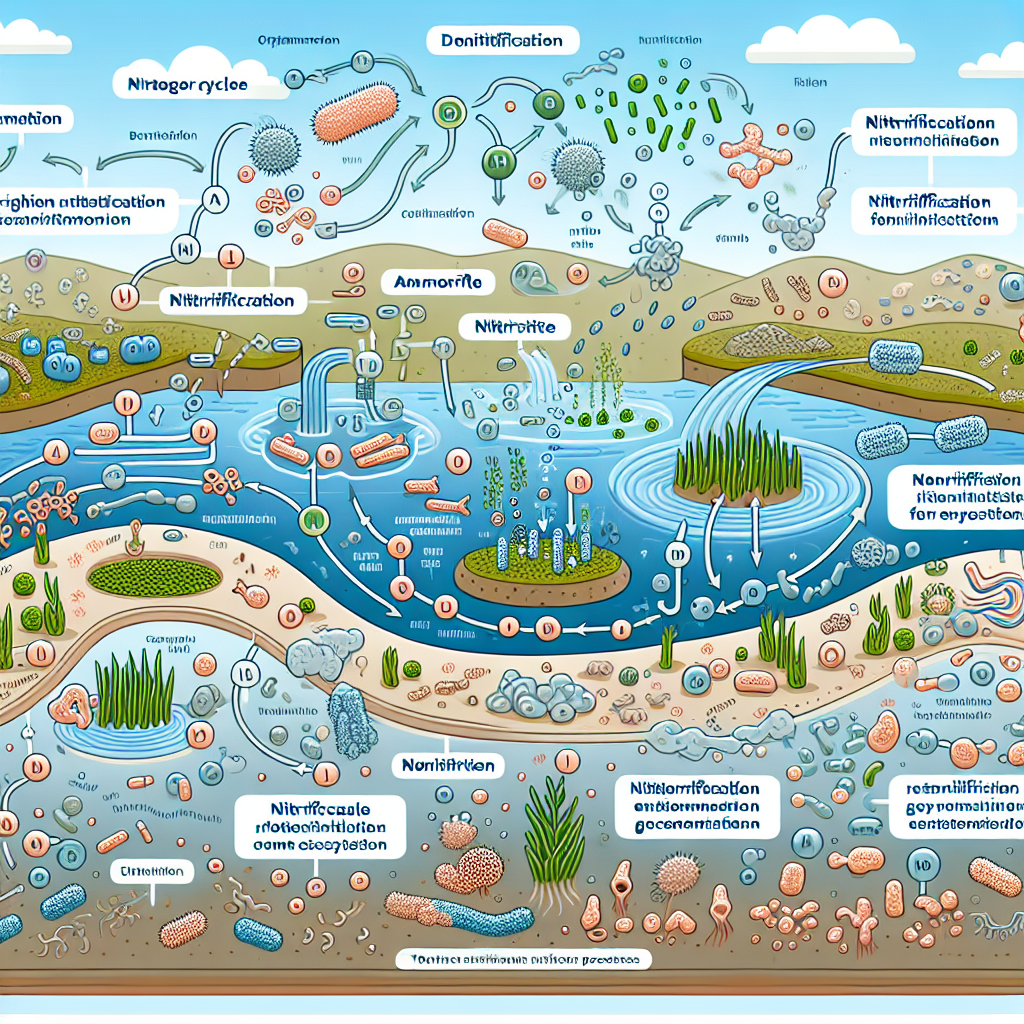
Nitrification and Denitrification: Essential Processes for Nutrient Removal
In the pursuit of cleaner effluent and sustainable wastewater management, understanding the nitrification and denitrification sequence is essential. These two interconnected biological processes drive the nitrogen cycle within a treatment plant, converting toxic ammonia first to nitrate and then to harmless nitrogen gas. Together they represent the backbone of biological nutrient removal. This article explains how nitrifying and denitrifying bacteria work in series, what conditions each requires, and how plants configure reactors to achieve reliable nitrogen removal. The underlying principles connect to the broader question of what denitrification is in wastewater treatment and why it cannot be separated from the nitrification step that precedes it.
Understanding Nitrification
Nitrification is a two-step biochemical process that transforms ammonia into nitrate. The first step is ammonia oxidation, where ammonia-oxidizing bacteria convert ammonium ions into nitrite. In the second step, nitrite-oxidizing bacteria complete the conversion to nitrate. This sequential oxidation is essential for reducing the toxicity of ammonia in treated effluent and for meeting ammonia limits in discharge permits.
Key Microorganisms Involved
The effectiveness of nitrification depends on specific slow-growing autotrophic organisms. Nitrosomonas and related genera perform the initial oxidation of ammonia to nitrite. Nitrobacter and Nitrospira then convert nitrite to nitrate. These organisms are strict aerobes, so oxygen availability governs their activity. They also grow far more slowly than the heterotrophic bacteria that remove organic carbon, which is why nitrifying plants must maintain a longer solids retention time than plants designed only for carbonaceous removal.
Conditions Required for Effective Nitrification
Several conditions must be satisfied simultaneously. Aerobic conditions are vital, since both steps consume oxygen. Optimal pH sits in the neutral to slightly alkaline range, and warmer temperatures substantially increase reaction rates. Failure to maintain these conditions produces incomplete nitrification and elevated ammonia in the effluent.
Alkalinity deserves particular attention. Nitrification consumes alkalinity — roughly seven milligrams as calcium carbonate for every milligram of ammonia nitrogen oxidized. In poorly buffered wastewater, this depresses pH, which in turn slows nitrification, creating a self-reinforcing failure. Plants treating soft water frequently supplement alkalinity to keep the process stable.
In practical applications, biofilm reactors are often used to maximize contact between wastewater and nitrifying bacteria while ensuring sufficient oxygen transfer. Managing these systems brings its own challenges, including biofilm sloughing and reduced mass transfer efficiency where biomass accumulates excessively.
Maintaining optimal conditions is the key to achieving high nitrogen removal efficiency.
Understanding Denitrification
Nitrification alone does not remove nitrogen from the wastewater — it converts one soluble nitrogen form into another. Denitrification is the step that actually removes it. Here, facultative heterotrophic bacteria use nitrate as a terminal electron acceptor in place of oxygen, reducing it through nitrite, nitric oxide and nitrous oxide to nitrogen gas, which escapes harmlessly to the atmosphere.
Conditions Required for Denitrification
The requirements are essentially the inverse of nitrification, which is why the two steps must be physically or temporally separated within a treatment train.
- Anoxic conditions: Dissolved oxygen must be near zero. If free oxygen is present, bacteria preferentially use it and nitrate reduction stops. Controlling oxygen carryover into anoxic zones is a central design and operating concern.
- Carbon source: Denitrifying bacteria need biodegradable organic carbon as an electron donor. Influent wastewater carbon is the cheapest source, which is why many configurations route raw wastewater directly to the anoxic zone. Where carbon is insufficient, supplemental methanol, glycerol or proprietary products are dosed.
- Nitrate supply: Nitrate must be delivered to the anoxic zone, typically through internal mixed liquor recycle from the aerobic zone, or by sequencing aeration in time rather than space.
Denitrification returns roughly half the alkalinity that nitrification consumed, which is one reason integrated nitrification-denitrification configurations are more stable than nitrification alone in poorly buffered waters.
Common Process Configurations
Plants arrange the two processes in several established ways. In the Modified Ludzack-Ettinger configuration, an anoxic zone precedes the aerobic zone and receives both influent wastewater and a nitrate-rich internal recycle stream. This is the most widely used arrangement because it exploits influent carbon without chemical addition. Four-stage Bardenpho adds a second anoxic zone followed by a re-aeration zone to achieve lower total nitrogen. Oxidation ditches create alternating aerobic and anoxic zones along a single continuous channel. Sequencing batch reactors separate the two processes in time rather than space, cycling aeration on and off within the same tank. Each of these approaches is treated in more depth in our discussion of the nitrification and denitrification process in wastewater.
Troubleshooting Nutrient Removal
Most nitrogen removal problems trace to a small set of causes, and distinguishing between them determines the correct response.
- Elevated effluent ammonia: Usually indicates insufficient aerobic solids retention time, low dissolved oxygen, depressed pH from alkalinity loss, or cold temperature. Check alkalinity and dissolved oxygen before assuming a biomass problem.
- Elevated effluent nitrate with low ammonia: Nitrification is working but denitrification is not. Common causes are insufficient readily biodegradable carbon, inadequate internal recycle rate, or oxygen carryover into the anoxic zone.
- Nitrite accumulation: Suggests the second nitrification step is inhibited, often by low dissolved oxygen, chemical inhibition, or an incomplete recovery following a process upset.
- Rising sludge in the clarifier: Denitrification occurring in the clarifier sludge blanket generates nitrogen gas bubbles that float solids to the surface. Increasing return sludge rate or reducing blanket depth usually resolves it.
Practical Considerations for Operators
Monitoring is the foundation of stable nitrogen removal. Operators should track influent and effluent ammonia, nitrate, alkalinity and pH, alongside dissolved oxygen profiles through the aerobic zone. Oxidation-reduction potential in anoxic zones provides a useful early indicator of whether conditions are genuinely anoxic.
Temperature is the variable operators cannot control but must plan around. Nitrification rates fall sharply in cold weather, and plants in northern climates size aerobic volume on the coldest expected month rather than the annual average. Where capacity is marginal, extending solids retention time seasonally is the usual response.
Carbon management deserves equal attention. Excessive removal of organic carbon ahead of the anoxic zone — through aggressive primary treatment, for instance — starves denitrification and forces the plant into expensive supplemental carbon dosing. The balance between carbon and nitrogen loads is a design decision with substantial long-term operating cost consequences.
In a treatment facility using an activated sludge process with integrated fixed-film media, operators have found that maintaining consistent aeration and stable anoxic conditions improved overall nitrogen conversion rates significantly, illustrating how targeted operational adjustments enhance performance and permit compliance without capital expenditure.
Related Topics
Nitrogen removal is a broad subject with several distinct angles worth exploring. Readers looking at process mechanics in greater depth will find useful material in our coverage of denitrification in wastewater treatment, which examines reactor configurations and carbon dosing in detail.
Conclusion
Nitrification and denitrification are not alternative approaches to nitrogen management — they are two halves of a single process, and neither achieves nitrogen removal on its own. Nitrification converts toxic ammonia into nitrate under aerobic conditions; denitrification converts that nitrate to nitrogen gas under anoxic conditions with a suitable carbon source. Designing and operating a plant for nitrogen removal means giving each step the conditions it needs while keeping them separated.
The practical levers are consistent: sufficient aerobic solids retention time, adequate alkalinity, genuine anoxic conditions, and enough biodegradable carbon in the right place. Plants that monitor these variables systematically and respond to seasonal temperature shifts achieve stable compliance. Those that treat nitrogen removal as a fixed setting rather than a managed process tend to discover the difference during the first cold snap.