
What Is Denitrification In Wastewater Treatment
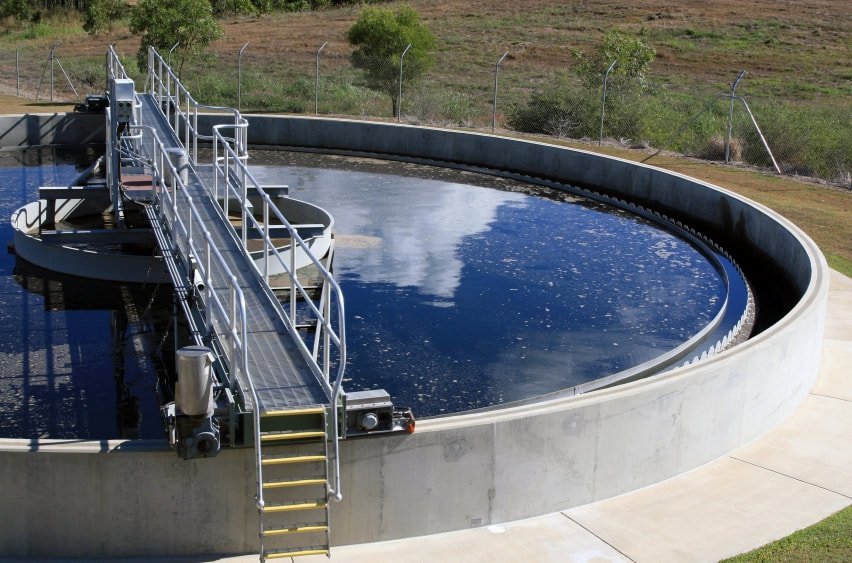
What Is Denitrification in Wastewater Treatment?
Wastewater treatment is an essential aspect of maintaining the health of our ecosystems and, by extension, human health. One critical component of this process is the removal of nitrogen compounds, which can be harmful if discharged into natural water bodies. Denitrification is a key biological process used in wastewater treatment to convert nitrate (NO₃⁻) into nitrogen gas (N₂), which can then be released harmlessly into the atmosphere. Denitrification is one half of the biological nitrogen pathway within nutrient removal, and it is the half that most often governs whether a plant meets its total nitrogen permit: nitrification converts ammonia to nitrate reliably given enough oxygen and sludge age, but that nitrate still counts toward total nitrogen until something reduces it to gas. This article explores the science behind denitrification, its importance in wastewater treatment, and the methods used to implement it effectively.
Introduction to Nitrogen in Wastewater
Nitrogen, an essential element for life, becomes a pollutant when present in excessive amounts in water bodies. In wastewater, nitrogen is mainly found in the forms of ammonia (NH₃), nitrate (NO₃⁻), and nitrite (NO₂⁻). These compounds stem from various sources, including domestic wastewater, agricultural runoff, and industrial discharges.
Excess nitrogen in water bodies can lead to several environmental problems:
-
- Eutrophication: Elevated nutrient levels result in an overgrowth of algae, known as algal blooms. Upon decay, these algae consume dissolved oxygen, which can lead to dead zones where aquatic life cannot survive.
-
- Toxicity: Ammonia and nitrite are toxic to aquatic life even at low concentrations.
-
- Human Health Risks: Nitrate in drinking water can cause health issues such as methemoglobinemia, or “blue baby syndrome,” a condition that affects the ability of blood to carry oxygen in infants.
Given these potential impacts, the removal of nitrogen from wastewater before discharge is essential, making denitrification a critical process.
Subcategory Overview: Core Topics in Nitrification and Denitrification
Nitrogen removal is treated across several related pages on this site, each approaching the same biology from a different angle — the reduction step itself, the coupled two-stage pathway, the reactor configurations that stage it, and the day-to-day control of those reactors at plant scale.
The Denitrification Step
Treated on its own, denitrification in wastewater treatment is the anoxic reduction of nitrate to nitrogen gas using organic carbon as the electron donor. The defining constraint is competition for electrons: denitrifying organisms are facultative and will use dissolved oxygen preferentially because it yields more energy, which is why even 0.2 to 0.5 mg/L of DO carried into an anoxic zone measurably suppresses the rate. The reaction also returns alkalinity, approximately 3.57 g as CaCO3 per gram of nitrate nitrogen reduced, recovering roughly half of what nitrification consumed.
The Coupled Two-Stage Pathway
Considered together, nitrification and denitrification form a sequential pathway in which each stage imposes conditions the other does not want. Nitrification requires aerobic conditions, long sludge age, and consumes alkalinity at roughly 7.14 g as CaCO3 per gram of ammonia nitrogen oxidised. Denitrification requires anoxic conditions and readily biodegradable carbon, and returns part of that alkalinity. Designing for both means either separating them in space, separating them in time, or accepting the reduced rates that come from running them simultaneously in a single zone at low dissolved oxygen.
Process Configurations and Staging
The practical differences between plants come down to staging, and understanding the nitrification and denitrification process configurations explains most of the variation in achievable effluent quality. Pre-anoxic arrangements place the anoxic zone first and recycle nitrified mixed liquor back to it, using influent BOD as the carbon source at no chemical cost but limiting removal to what the recycle ratio allows. Post-anoxic arrangements place denitrification after nitrification, which can drive nitrate very low but almost always requires purchased carbon. Four-stage configurations combine both.
Plant-Scale Operation and Control
Managing nitrification and denitrification in wastewater treatment plants day to day is largely a matter of holding three variables inside their windows: dissolved oxygen at the anoxic zone boundary, the carbon-to-nitrogen ratio entering that zone, and alkalinity leaving the aerobic zone. Oxidation-reduction potential is the most useful single instrument in the anoxic zone, since it responds to nitrate depletion before nitrate analysers do and costs considerably less to maintain. Seasonal temperature swings shift denitrification rates enough that winter operation frequently needs a different recycle ratio and carbon dose than summer.
The Nitrogen Cycle
To understand denitrification, it is helpful to have a basic understanding of the nitrogen cycle. This cycle describes the transformations nitrogen undergoes as it moves through the environment. The main steps include:
-
- Nitrogen Fixation: Conversion of atmospheric nitrogen gas (N₂) into ammonia by nitrogen-fixing bacteria or through industrial processes.
-
- Nitrification: Biological conversion of ammonia to nitrite and then to nitrate, primarily conducted by nitrifying bacteria in the presence of oxygen.
-
- Assimilation: Uptake of ammonia, nitrite, or nitrate by plants and microorganisms to form organic nitrogen compounds.
-
- Ammonification: Decomposition of organic nitrogen back into ammonia during organic matter breakdown.
-
- Denitrification: Reduction of nitrate to nitrogen gas by denitrifying bacteria under anoxic (oxygen-free) conditions.
The Denitrification Process
Denitrification is a microbially facilitated process where nitrate is reduced to produce molecular nitrogen (N₂), with nitrous oxide (N₂O) and nitric oxide (NO) as intermediate products. Denitrifying bacteria, such as species of Pseudomonas, Paracoccus, and Bacillus, carry out this process under anaerobic or anoxic conditions.
Denitrification Reactions
The denitrification process can be summarized through a series of reduction reactions, each catalysed by a distinct enzyme:
nitrate → nitrite → nitric oxide → nitrous oxide → nitrogen gas
The four steps are mediated respectively by nitrate reductase, nitrite reductase, nitric oxide reductase, and nitrous oxide reductase. Because the final step is the most sensitive to dissolved oxygen and to low temperature, an incompletely anoxic or cold reactor tends to stall at nitrous oxide rather than proceeding to nitrogen gas — which matters, because N2O has a global warming potential roughly 270 times that of carbon dioxide.
Each step involves a different enzyme and is reliant on the presence of suitable electron donors, typically organic carbon sources, to proceed. The reduction of nitrate to nitrogen gas consumes hydrogen ions, contributing to alkalinity and aiding in pH regulation.
Conditions for Denitrification
Denitrification requires specific environmental conditions to proceed efficiently:
-
- Anoxic Environment: Oxygen inhibits denitrification as denitrifying bacteria will preferentially use oxygen over nitrate as an electron acceptor.
-
- Presence of Nitrate: Adequate amounts of nitrate must be present.
-
- Carbon Source: An organic carbon source is necessary to provide the electrons needed for the reduction reactions.
-
- Neutral pH: Generally, a neutral pH range is favorable for the activity of denitrifying bacteria.
-
- Temperature: As with most biological processes, temperature affects the rate of denitrification, with efficiency typically decreasing at lower temperatures.
Importance of Denitrification in Wastewater Treatment
Denitrification is a crucial part of the biological nutrient removal (BNR) processes in wastewater treatment plants. Its importance can be understood in the context of both environmental protection and regulatory compliance.
Environmental Protection
The reduction of nitrogen levels in wastewater effluent helps prevent eutrophication in surface waters. By converting nitrates into an inert gas, denitrification minimizes the risk of algal blooms and hypoxic zones that endanger aquatic ecosystems.
Regulatory Compliance
Environmental regulations often set stringent standards for nitrogen levels in treated wastewater. Meeting these standards is vital for wastewater treatment plants to avoid penalties and contribute to sustainable development goals.
Methods of Denitrification in Wastewater Treatment
There are several methods of implementing denitrification in wastewater treatment systems, each with its own advantages and considerations.
Conventional Activated Sludge Processes
In traditional activated sludge systems, denitrification is incorporated into the overall treatment process. This approach typically involves multiple stages:
-
- Pre-Denitrification (Sequencing Batch Reactors or Multi-stage Reactors): In this setup, denitrification occurs before nitrification. It allows for internal recirculation, where nitrates from the nitrification stage are fed back into the anoxic zone.
- Pre-Denitrification (Sequencing Batch Reactors or Multi-stage Reactors): In this setup, denitrification occurs before nitrification. It allows for internal recirculation, where nitrates from the nitrification stage are fed back into the anoxic zone.
-
- Post-Denitrification: Here, nitrification occurs first, and the resultant nitrates are then treated in a separate denitrification tank or zone.
The pre-denitrification arrangement is most commonly implemented as the Modified Ludzack-Ettinger configuration, and the design literature on MLE nitrogen removal is the standard reference for sizing the internal recycle. Its performance ceiling follows directly from that recycle: total nitrogen removal is limited to roughly (IR + R) / (1 + IR + R), so a plant running 300 percent internal recycle with 100 percent return activated sludge cannot exceed about 80 percent removal regardless of how well the biology performs.
Anoxic/Aerobic Processes
The integration of anoxic and aerobic zones within a single reactor or through a sequence of reactors is a common approach. The lack of oxygen in anoxic zones allows for effective denitrification, while aerobic zones facilitate nitrification. Getting the anoxic side right is largely a question of mixing without aerating: anoxic tank design uses submersible mixers or hydrofoil impellers sized to keep solids in suspension while adding as little surface oxygen transfer as possible. Baffling between zones matters more than it appears, since dissolved oxygen carried across the boundary in recycled mixed liquor is consumed by the same carbon that would otherwise reduce nitrate.
Fixed-Bed and Fluidized-Bed Reactors
In these systems, denitrifying bacteria are immobilized on media such as peat, activated carbon, or plastic substrates, allowing for higher biomass retention and enhanced denitrification rates. Fluidized-bed reactors maintain the media in suspension, increasing contact between bacteria, wastewater, and nitrate.
Moving Bed Biofilm Reactors (MBBR)
MBBRs combine the benefits of biofilm systems and suspended growth systems. Plastic carriers with biofilm support the growth of denitrifying bacteria, promoting effective removal of nitrates in a compact space. The continuous movement of media optimizes contact and mixing.
Membrane Bioreactors (MBR)
MBRs use membranes to separate solids from treated water while encouraging the growth of nitrifying and denitrifying bacteria. The combination of membranes allows for a high-quality effluent with reduced footprint.
Integrated Fixed-Film Activated Sludge (IFAS)
This approach combines suspended-growth activated sludge with attached-growth biofilm systems. The integration of fixed film media supports additional biomass, fostering both nitrification and denitrification within the same reactor.
Carbon Source Addition
In some cases, the availability of organic carbon in wastewater is insufficient for effective denitrification. External carbon sources such as methanol, acetate, or glycerol can be added to enhance the process.
Hybrid Systems
Innovative strategies involve the combination of different biological and chemical processes to optimize nitrogen removal. Strategies such as shortcut nitrogen removal (e.g., partial nitritation-anammox) and simultaneous nitrification-denitrification take advantage of synergistic microbial processes to improve efficiency.
Comparison of Denitrification Configurations
Configuration choice determines achievable effluent nitrogen, whether purchased carbon is required, and how much tankage the plant needs. The table below compares the arrangements in routine use.
| Configuration | Typical Effluent TN | External Carbon | Footprint | Alkalinity Recovery | Best-Fit Application |
|---|---|---|---|---|---|
| Pre-anoxic (MLE) | 8–10 mg/L | Rarely required | Moderate | Good — roughly 50% | Most municipal retrofits; moderate TN limits |
| Four-stage Bardenpho | 3–5 mg/L | Sometimes, in second anoxic | Large | Good | Stringent TN limits with land available |
| Post-anoxic with carbon | Below 3 mg/L | Always | Moderate | Partial | Very low TN limits; carbon-poor influent |
| Sequencing batch reactor | 5–10 mg/L | Occasionally | Small to moderate | Good | Small to mid plants; variable flows |
| MBBR / IFAS anoxic | 5–8 mg/L | Sometimes | Compact | Good | Capacity uprates within existing tankage |
| Denitrification filter | Below 3 mg/L | Always | Small | Partial | Tertiary polishing to very low limits |
| Deammonification (sidestream) | Sidestream duty only | None required | Very compact | Substantial saving | High-ammonia digester centrate and filtrate |
The decision usually reduces to a trade between tankage and chemical cost. Pre-anoxic configurations use influent carbon that would otherwise be oxidised aerobically, so they save both methanol and aeration energy, but their removal ceiling is fixed by the recycle ratio. Driving nitrogen below that ceiling means adding a post-anoxic stage and paying for carbon indefinitely.
Selection and Design Framework
Working Backwards From the Permit
Design starts with the effluent total nitrogen limit and works backwards. A limit around 10 mg/L is generally achievable with a pre-anoxic configuration and no purchased carbon. A limit near 5 mg/L usually requires a second anoxic stage. Limits below 3 mg/L nearly always require external carbon and often a tertiary denitrification filter. Each of these thresholds represents a step change in both capital and operating cost, so it is worth confirming the actual permit requirement before designing to a number someone assumed.
Worked Design Example
Consider a plant treating 10,000 m³/d with influent TKN of 40 mg/L and an effluent total nitrogen limit of 8 mg/L. Allowing roughly 5 mg/L for nitrogen assimilated into biomass, approximately 25 mg/L of nitrate nitrogen must be denitrified.
10,000 m³/d × 25 g/m³ = 250,000 g/d = 250 kg NO3-N/d
MLVSS required = 250 ÷ 0.10 = 2,500 kg
At MLVSS of 2,500 mg/L (2.5 kg/m³): V = 2,500 ÷ 2.5 = 1,000 m³
Anoxic HRT = 1,000 ÷ 10,000 = 0.1 d = 2.4 hours
Removal = (IR + R) ÷ (1 + IR + R) = 0.80 ⇒ IR + R = 4
With RAS at 100%: internal recycle = 300%
At 3.0 kg methanol per kg NO3-N (covering nitrate, DO, and synthesis):
250 × 3.0 = 750 kg/d
At $0.60/kg: 750 × 0.60 × 365 ≈ $164,000 per year
Nitrifying 35 mg/L NH4-N consumes: 350 kg/d × 7.14 = 2,499 kg/d as CaCO3
Denitrifying 250 kg/d returns: 250 × 3.57 = 893 kg/d as CaCO3
Net deficit ≈ 1,606 kg/d as CaCO3, which must come from influent alkalinity or supplemental caustic or lime
That alkalinity deficit is the figure most often missed at the design stage. A plant with influent alkalinity of 200 mg/L as CaCO3 carries 2,000 kg/d into the process, which covers the deficit with modest margin; a plant at 120 mg/L carries only 1,200 kg/d and will suffer pH depression in the aerobic zone that suppresses nitrification — producing an ammonia violation whose root cause is alkalinity, not aeration.
Integration With Phosphorus Removal
Most plants facing a nitrogen limit also face a phosphorus limit, and the two processes compete for the same readily biodegradable carbon. Biological phosphorus removal requires volatile fatty acids in a strictly anaerobic zone, while denitrification requires carbon in the anoxic zone; nitrate carried into the anaerobic zone by return sludge will be reduced there instead, consuming the carbon the phosphorus-accumulating organisms needed. Evaluating phosphorus removal methods alongside the nitrogen design is therefore not optional in combined BNR plants — the configurations that protect the anaerobic zone from nitrate intrusion are the ones that let both processes work.
Designing for Winter
Denitrification rates fall with temperature by roughly a factor of 1.06 to 1.09 per degree Celsius, meaning a rate at 10 °C can be half the rate at 20 °C. Sizing anoxic volume on summer rates produces a plant that cannot meet its limit in February. Use the minimum sustained wastewater temperature, not the annual average, and confirm that the carbon dosing system has the turndown to match both conditions.
Challenges to Denitrification
Implementing effective denitrification is not without challenges:
-
- Carbon Source Availability: The efficiency of denitrification may be limited by the availability of organic carbon. Alternative carbon sources can lead to increased operational costs.
-
- Process Control: Achieving and maintaining the right environmental conditions for denitrification can be complex, requiring careful monitoring and control.
-
- Nitrous Oxide Emissions: Incomplete denitrification can result in the emission of nitrous oxide, a potent greenhouse gas. Optimizing conditions to minimize intermediate accumulation is essential.
-
- Temperature Sensitivity: Lower temperatures can slow down denitrification rates, necessitating adaptive strategies during colder months.
Field Notes
Commissioning and Rate Verification
Confirm the actual specific denitrification rate on the plant’s own mixed liquor rather than trusting the design value. A batch test on a grab sample of anoxic mixed liquor, spiked with nitrate and tracked over an hour, gives a defensible SDNR in an afternoon. Design values assume a carbon source and sludge characteristics that may not match the plant, and the difference frequently explains why a nominally adequate anoxic zone underperforms.
Instrumentation That Earns Its Keep
Oxidation-reduction potential in the anoxic zone is the highest-value instrument in a denitrifying plant. The characteristic inflection as nitrate approaches depletion, often called the nitrate knee, indicates directly whether the zone is carbon-limited or nitrate-limited, and it does so continuously at a fraction of the maintenance burden of an ion-selective nitrate probe. Pair it with dissolved oxygen at the end of the aerobic zone and an alkalinity or pH measurement on the effluent, and most process problems become diagnosable without laboratory turnaround.
Routine Troubleshooting
Rising effluent nitrate with stable ammonia points to insufficient anoxic capacity, inadequate carbon, or dissolved oxygen intrusion into the anoxic zone. Rising effluent ammonia with stable nitrate suggests a nitrification problem, and alkalinity should be checked before aeration capacity. Rising sludge in the secondary clarifier, particularly on warm afternoons, usually indicates denitrification occurring in the sludge blanket, where nitrogen bubbles float solids to the surface; the fix is normally increasing return sludge rate rather than reducing nitrification.
Pro Tip
Check the alkalinity balance before adding aeration capacity. When effluent ammonia rises, the intuitive response is to assume insufficient oxygen transfer, and plants routinely spend capital on blowers to solve a problem that supplemental alkalinity would have fixed for a fraction of the cost. Nitrification consumes 7.14 g of alkalinity as CaCO3 per gram of ammonia nitrogen oxidised, and denitrification returns only about half of it. Once residual alkalinity falls below roughly 50 to 70 mg/L as CaCO3, pH drops into a range where nitrifiers slow markedly — and no amount of additional air will restore the rate.
Common Mistake
Sizing the anoxic zone on nitrate load while ignoring the dissolved oxygen arriving with it. Every gram of DO entering the anoxic zone consumes carbon that would otherwise reduce nitrate, at roughly 2.86 g of oxygen demand equivalent per gram of nitrate nitrogen not removed. A high internal recycle rate carrying 2 mg/L of DO into the anoxic zone can consume a substantial share of the available carbon before denitrification begins, which is why increasing recycle to improve removal sometimes makes it worse. Measure DO at the recycle discharge, not just in the aeration basin, and reduce end-of-basin DO to around 1.0 to 1.5 mg/L where nitrification allows.
Design Details and Standards
Applicable Standards and References
Denitrification systems are typically designed with reference to WEF Manual of Practice No. 8 (Design of Water Resource Recovery Facilities) for kinetic coefficients, anoxic zone sizing, and recycle configuration; the Ten States Standards for minimum design criteria where applicable; EPA nitrogen control guidance for process selection and performance expectations; and Standard Methods for the Examination of Water and Wastewater for the nitrogen series analytical procedures on which permit compliance depends. Where methanol is stored and dosed, the relevant NFPA requirements for flammable liquid storage and electrical area classification govern the chemical facility design.
Key Design Parameters
- Specific denitrification rate: approximately 0.04–0.10 kg NO3-N per kg MLVSS per day at 20 °C, higher with methanol than with influent carbon
- Temperature correction: rate factor of approximately 1.06–1.09 per °C; design on minimum sustained temperature
- Anoxic HRT: commonly 1–4 hours for pre-anoxic; longer for post-anoxic polishing
- C:N ratio: approximately 4–5 g BOD per g NO3-N from influent carbon; roughly 3 kg methanol per kg NO3-N when dosed
- Alkalinity: 7.14 g as CaCO3 consumed per g NH4-N nitrified; 3.57 g returned per g NO3-N denitrified; maintain 50–70 mg/L residual
- Anoxic zone DO: below 0.2–0.5 mg/L; mixing energy sized for solids suspension without surface entrainment
- Internal recycle: 200–400% typical; removal ceiling = (IR + R) / (1 + IR + R)
Design Checklist
- Effluent TN limit confirmed against the actual permit, including any seasonal variation
- Influent TKN and alkalinity characterised across seasons, not from a single sampling round
- Minimum sustained wastewater temperature used for rate calculations
- SDNR verified by batch test on plant mixed liquor where the plant exists
- Nitrogen assimilated into biomass accounted for separately from nitrate to be denitrified
- Alkalinity balance closed, with supplemental chemical sized if influent alkalinity is inadequate
- Dissolved oxygen carried in the internal recycle included in the carbon demand
- Internal recycle ratio checked against the theoretical removal ceiling
- Anoxic mixing specified for suspension without surface oxygen transfer
- Supplemental carbon system sized with turndown for summer and winter conditions
- Interaction with biological phosphorus removal evaluated where both limits apply
- Nitrous oxide formation risk considered where anoxic conditions may be marginal
Future Trends in Denitrification
Research and innovation in denitrification are continually advancing. Emerging trends include the development of novel microbial strains, modeling and simulation of denitrification processes, and integration with sustainable practices such as resource recovery from wastewater.
-
- Bioaugmentation: The introduction of specialized or genetically engineered microorganisms to enhance denitrification.
-
- Modeling and Sensors: Advanced modeling and real-time monitoring systems for better process control and optimization.
-
- Resource Recovery: Integration of denitrification with phosphorus recovery or energy production from wastewater.
-
- Green Technologies: Incorporating natural systems, such as constructed wetlands, with engineered processes for sustainable nitrogen removal.
Frequently Asked Questions
What is the difference between anoxic and anaerobic?
Anoxic means no dissolved oxygen but nitrate present, which is the condition denitrification requires. Anaerobic means neither dissolved oxygen nor nitrate, which is what biological phosphorus removal requires. The distinction is not pedantic: nitrate leaking into a zone intended to be anaerobic will consume the volatile fatty acids that phosphorus-accumulating organisms need, and the phosphorus removal will fail for reasons that look unrelated.
How much carbon does denitrification need?
Using influent wastewater as the carbon source, roughly 4 to 5 g of BOD per gram of nitrate nitrogen is a working figure. With methanol dosed externally, approximately 3 kg per kg of nitrate nitrogen covers nitrate reduction, incoming dissolved oxygen, and biomass synthesis together. If the influent BOD to TKN ratio is below about 4 to 1, supplemental carbon is likely to be required regardless of configuration.
Why does my effluent nitrate stay high when the anoxic zone looks correctly sized?
The three usual causes are dissolved oxygen entering with the internal recycle, insufficient readily biodegradable carbon reaching the zone, and a recycle ratio below what the target removal requires. Check DO at the recycle discharge first, since it is the cheapest to fix and the most frequently overlooked. Then confirm the theoretical removal ceiling from the recycle ratio before concluding the biology is at fault.
Can nitrification and denitrification happen at the same time?
Yes. Simultaneous nitrification-denitrification occurs at low dissolved oxygen, typically 0.3 to 0.8 mg/L, where aerobic conditions exist at the floc surface while the floc interior remains anoxic. It is genuinely useful in oxidation ditches and some extended aeration plants, saving both tankage and aeration energy. The trade-off is a narrow operating window and a raised risk of nitrous oxide formation when conditions drift.
Does denitrification save energy?
Pre-anoxic denitrification does, in two ways. Carbon oxidised by nitrate is carbon that does not need to be oxidised by supplied air, recovering roughly 2.86 g of oxygen equivalent per gram of nitrate nitrogen reduced. It also returns alkalinity, reducing or eliminating chemical addition. Post-anoxic denitrification with purchased methanol saves neither and adds chemical cost, which is why it is reserved for limits that pre-anoxic cannot reach.
What causes rising sludge in the final clarifier?
Denitrification within the sludge blanket. Nitrate reduction produces nitrogen gas, and bubbles forming inside settled sludge float clumps of solids to the surface, typically in the afternoon when temperatures and rates are highest. Increasing return activated sludge rate to shorten blanket residence time is the usual remedy. Reducing nitrification to lower nitrate would trade a solids problem for an ammonia violation.
Key Takeaways
- Nitrification is usually solvable; denitrification decides the permit — nitrate still counts toward total nitrogen until something reduces it to gas.
- The recycle ratio sets a hard removal ceiling — (IR + R) / (1 + IR + R), so 300% internal recycle with 100% RAS caps removal near 80% regardless of biology.
- Close the alkalinity balance before buying blowers — nitrification consumes 7.14 g CaCO3 per g N, denitrification returns only 3.57, and low pH stalls nitrifiers no matter how much air is supplied.
- Dissolved oxygen in the recycle competes for carbon — raising recycle to improve removal can worsen it if DO rides along.
- Design on minimum winter temperature — rates roughly halve between 20 and 10 °C, and a summer-sized anoxic zone fails in February.
- Nitrogen and phosphorus removal compete for the same carbon — nitrate intrusion into the anaerobic zone breaks biological phosphorus removal.
- ORP in the anoxic zone is the highest-value instrument — the nitrate knee shows whether the zone is carbon-limited or nitrate-limited, continuously and cheaply.
Conclusion
Denitrification is a cornerstone of modern wastewater treatment, crucial for reducing nitrogen levels in effluent and mitigating harmful environmental impacts. As regulatory standards tighten and the demand for sustainable practices grows, the optimization and innovation of denitrification processes will continue to be paramount. By embracing both established techniques and cutting-edge technologies, wastewater treatment facilities can effectively safeguard water quality and contribute to the health of our ecosystems.