
Problems Living Near A Water Treatment Plant
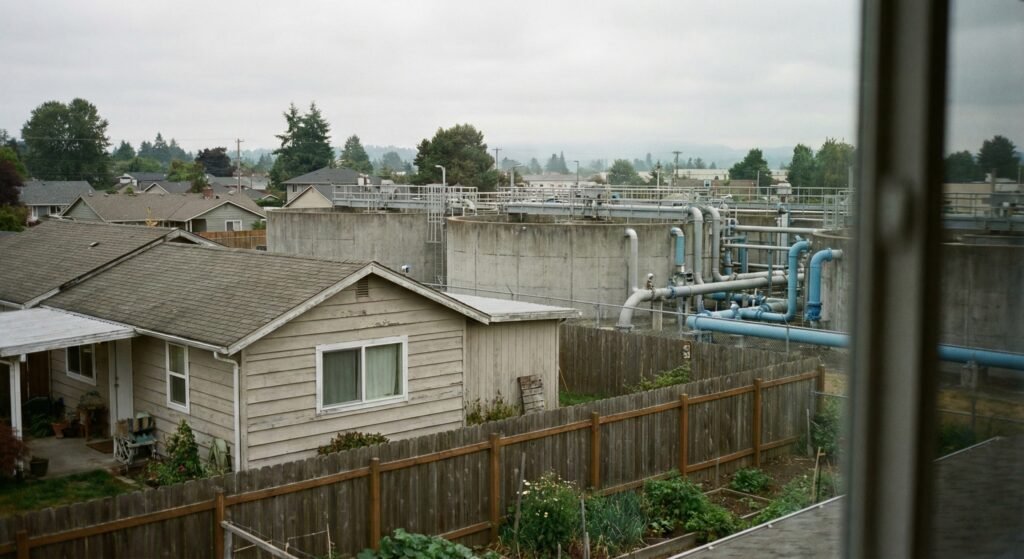
The Inconveniences and Challenges of Living Near a Water Treatment Plant: A Comprehensive Guide
Water treatment plants are critical to maintaining public health by providing clean and safe water. However, living near these plants can present several challenges. This article delves into the complexities and issues faced by residents who live in proximity to water treatment facilities, exploring everything from health concerns and property devaluation to psychological stress and community dynamics. More importantly, it provides practical guidance and actionable steps for both current residents and prospective buyers
Introduction
Water treatment plants play an essential role in public health by providing clean, safe water and managing wastewater. At the same time, living near one of these facilities can present challenges that are rarely discussed openly with residents. Depending on the plant and local conditions, people may experience persistent odors, noise, air irritation, concerns about water quality, and stress related to daily exposure to an industrial facility.
It is important to understand that not all treatment plants perform the same. Newer facilities with enclosed processes and well-maintained odor-control systems often have far fewer community impacts than older or poorly maintained plants. That is why proximity alone does not tell the full story — factors such as wind patterns, weather, and specific treatment processes can strongly influence what residents experience at home.
Recent research has also challenged traditional assumptions about “safe” distances from treatment plants, showing that impacts may extend farther than commonly expected under certain conditions. For residents, this raises important questions about health, quality of life, property value, and what practical steps can be taken to protect themselves and their families.
This guide brings together documented research and real-world community experiences to help residents better understand potential impacts, recognize warning signs, and make informed decisions — whether they are currently living near a treatment facility or evaluating a property before moving in.
Recent research has revealed that the impact zones of these facilities extend far beyond previously assumed distances. A groundbreaking study in South Africa found that residents living more than 3.1 miles from a wastewater treatment plant experienced negative health impacts equal to those living within 3.1 miles, fundamentally challenging conventional buffer zone recommendations of 1,300 feet.
Health Concerns
Air Quality and Respiratory Issues
One of the primary concerns for individuals living near water treatment plants is the quality of air. Many water treatment processes involve chemicals like chlorine, ammonia, and sulfur dioxide. These chemicals can evaporate and become airborne, posing a risk to respiratory health. Prolonged exposure can lead to conditions such as asthma, bronchitis, and other respiratory disorders. Children and the elderly are particularly vulnerable to these pollutants.
Safe Exposure Limits: According to the EPA, chlorine exposure should not exceed 0.5 parts per million (ppm) for an 8-hour period. However, even levels below this threshold can cause irritation in sensitive individuals. Ammonia concentrations above 25 ppm can cause immediate irritation to the eyes, nose, and throat.
Microbial Contamination in Air
Research from Greece documented specific bacterial concentrations in air samples near wastewater treatment plants:
- Highest recorded concentration: 340.89 CFU/m³ at the closest sampling location
- Staphylococcus aureus: 29% of isolated bacterial strains
- Streptococcus species: 36.14% of strains
- Escherichia coli: 21.7% of strains
- Enterococcus species: 4.82% of strains
These bioaerosols can travel considerable distances and pose risks for respiratory infections, particularly during certain weather conditions.
Respiratory and Nasal Symptoms
Studies reveal alarming rates of respiratory complaints among residents:
- 71.2% of residents within close proximity reported regularly suffering from blocked nose when at home
- Only 3.0% experienced blocked nose when at work, suggesting a direct correlation with residential proximity
- Significant correlations were found between shortness of breath, regular sore throat, regular cough, tightness of chest, and redness of eyes
Noise Pollution
Another significant health concern is noise pollution. Water treatment plants operate around the clock, and the machinery and pumps generate substantial noise. Chronic exposure to high levels of noise can lead to hearing loss, sleep disturbances, and heightened stress levels. Studies have shown that long-term exposure to noise pollution can also contribute to cardiovascular diseases.
Noise Level Guidelines: The World Health Organization recommends that average outdoor noise levels should not exceed 55 decibels (dB) during the day and 45 dB at night. Many water treatment facilities produce noise levels between 60-85 dB, especially during peak operations. Prolonged exposure to noise above 70 dB can cause hearing damage, while levels above 85 dB pose serious health risks.
Water Quality Issues
Ironically, living near a water treatment plant doesn’t always guarantee better water quality. Accidental leaks or malfunctioning equipment can compromise the quality of drinking water, exposing residents to contaminants. Some chemicals used in water treatment, like trihalomethanes (THMs) and haloacetic acids (HAAs), have been linked to cancer and other health problems when present in high concentrations.
Safe Concentration Levels: The EPA sets maximum contaminant levels (MCLs) for THMs at 80 parts per billion (ppb) and HAAs at 60 ppb. However, some health advocates recommend levels well below these thresholds, particularly for vulnerable populations including pregnant women and young children.
Documented Water Quality Changes
Research from Vietnam revealed specific impacts on water quality near treatment facilities:
- 61.8% of residents reported strange odors in their water
- 55.9% noticed color changes in water
- 90.9% of residents within 1.2 miles attributed water quality issues to the treatment facility
- Only 4.6% of residents beyond 1.2 miles made this attribution
These dramatic differences suggest a direct correlation between proximity and water quality degradation.
Neurological and Sensory Symptoms
Emerging research has identified serious neurological symptoms that have been largely overlooked in previous discussions:
Numbness and Tingling: A South African study found that 40% of respondents experienced numbness of hands and feet when at home, with only 10% experiencing this at work and 50% reporting no such symptoms. This suggests environmental factors at the residence are responsible.
Vision Problems: Residents near treatment plants reported significantly higher rates of vision difficulties, including blurred vision and eye irritation, which may be related to chemical exposure.

Memory Problems: Significant correlations were found between memory problems and physical symptoms including:
- Numbness of hands and feet
- Tingling of hands and feet
- Swelling of feet and ankles
- Trouble concentrating
These neurological symptoms suggest that exposure to treatment plant emissions may affect the nervous system through mechanisms such as disruption of dopamine and glutamate systems, nerve damage from chemical exposure, and oxygen deprivation due to asphyxiating gases.
Dermatological Issues
Research from Vietnam identified significantly higher rates of dermatological diseases among residents living within 1.2 miles of treatment facilities compared to those living further away. Skin conditions reported include:
- Rashes and irritation
- Dermatitis
- Chronic itching
- Chemical burns from water contact
Digestive Disorders
Digestive problems were significantly more frequent among residents within 1.2 miles of treatment plants, including:
- Diarrhea
- Nausea and vomiting
- Abdominal pain and bloating
- Constipation
- Loss of appetite
Healthcare providers noted that people exposed to gases from treatment plants were “most likely to suffer from allergens, sinusitis, nausea and lung diseases.”
Odor
Odor is another pressing concern. The unpleasant smells emanating from water treatment plants can be more than just a minor inconvenience. Noxious odors can cause headaches, nausea, and even affect one’s mental well-being. The psychological impact of living in an environment where fresh air is a luxury cannot be ignored.
Frequency and Timing of Odor Exposure
Detailed research reveals specific patterns:
When Odors Are Most Severe:
- 56.1% of residents perceive odor more intensely during the day
- 40.4% report worst odors during evening hours
- 20.8% experience peak odors in the afternoon
- 28.1% are most affected in early morning hours
- 15.2% report increased sensitivity when it’s windy
- 3.0% notice worse odors when it rains
- Odors intensify after weather changes
Frequency of Exposure:
- 59.1% smell the odor at least once every day
- 18.2% detect odors once every hour
- 15.1% experience odors once every week
- 7.6% notice odors once every month
- 61.7% experience odors more than 3 times per month
Odor Strength:
- Majority described odors as “strong to very strong”
- Common descriptions include “skunk” or “rotten eggs”
- 97% of all respondents (including those beyond 3.1 miles) have smelt bad odor from the plant
Seasonal Variations:
- 36.4% report conditions worse in summer
- 28% experience worse impacts in spring
- 17.8% each for autumn and winter
- Flooding season (October-January in some regions) increases risks significantly
Healthcare Utilization Statistics
The health impacts translate into significant healthcare usage:
- 57% of residents visit health facilities at least once monthly
- 72% believe the treatment plant causes health problems
- 74% believe gases from the facility affect their lungs
- 51.5% primarily consult public clinics
- 39.4% visit hospitals
- 6.1% can afford private doctors
Within 1.2 miles of facilities, 40% of residents visit healthcare facilities on a monthly basis, compared to lower rates further away.
Understanding Distance and Proximity Impacts
The severity of impacts from water treatment plants varies significantly based on distance and prevailing wind patterns. Understanding these relationships can help residents assess their risk level and take appropriate action.
Conventional Distance Guidelines
Traditional distance zones:
- 0-1,000 feet: Highest risk zone. Residents typically experience frequent odor issues, elevated noise levels (often 65-75 dB), and higher concentrations of airborne chemicals. Property values in this zone may be reduced by 15-25%.
- 1,000-2,600 feet: Moderate risk zone. Odor issues occur intermittently, especially during certain weather conditions or operational processes. Noise is noticeable but generally below 60 dB. Property values may be reduced by 8-15%.
- 0.5-1 mile: Lower risk zone. Occasional odor problems during specific weather patterns. Minimal noise impact. Property values may see a 3-8% reduction.
- Beyond 1 mile: Minimal impact zone. Most residents experience negligible effects, though severe incidents or spills could still pose risks.
Critical New Finding: Extended Impact Zone
Groundbreaking Research Challenges Conventional Assumptions
A comprehensive study discovered that residents living at distances of MORE than 3.1 miles from the wastewater treatment plant were still negatively impacted by gases equally as much as residents living within 3.1 miles. This finding contradicts the commonly recommended buffer distance of 1,300 feet and suggests that:
- Current buffer zones are grossly inadequate
- Atmospheric dispersion carries contaminants much further than previously thought
- Regulatory standards need urgent revision
- Property buyers should reconsider “safe” distances
The research concluded: “Thus WWTP should be zoned at a distance of more than 3.1 miles away from any residential area.”
Wind Direction: The Critical Variable
Important Note: Wind direction plays a crucial role that may override distance considerations. Residents downwind of facilities typically experience more severe odor and air quality issues regardless of distance.
Wind Pattern Considerations:
- Check predominant wind patterns using local meteorological data
- Leeward residents (downwind) face significantly higher exposure
- In the Vietnamese study, dry and hot winds from South/South-West during summer created specific vulnerable zones
- Weather conditions during air sampling showed mean temperature: 13.6°C (ranging from 7°C to 20°C) and mean relative humidity: 57.3% (ranging from 38% to 74%)
- Lower humidity conditions appeared to correlate with higher bacterial loads
Comprehensive Impact Analysis: What Research Shows
| Dimension / Insight | What the Research Shows | Why It Matters for Nearby Residents |
|---|---|---|
| Odor nuisance from treatment facilities | Wastewater and sludge handling emit hydrogen sulfide and other odorants, which often drive community complaints and opposition to facilities | Persistent foul smells can disrupt daily activities, outdoor use of space, sleep, and social life; they also contribute to stress and stigma |
| Health & quality-of-life impacts of sludge land application | Neighbors of land-application sites report headaches, respiratory irritation, nausea, and mood impacts, strongly associated with sludge odor events; many feel their concerns are ignored | Even if toxic limits are not exceeded, short-term symptoms and chronic annoyance reduce quality of life and can deepen mistrust of authorities |
| Environmental justice dimension | Odor and waste burdens often fall on rural, lower-income, and minority communities, who report unfairness and weak political voice | Siting and operation decisions can reinforce inequity; communities with less power bear more nuisance and risk with fewer benefits |
| Regulatory vs. real-world odor problems | Odor may be severe even when numerical standards are met, because mixtures at low concentrations can still be highly offensive | Residents can experience major nuisance without any “violation,” making complaints harder to address through standard regulation |
| Biofiltration as an odor control tool | Modern biofilters/biotrickling filters can efficiently remove hydrogen sulfide and other odorants when well-designed and maintained | Good odor-control technology can dramatically reduce community complaints but requires correct media, residence time, moisture, and monitoring |
| Drinking water safety at the tap | In a large U.S. city, no enforceable standards were exceeded, but low-level mixtures of unregulated by-products, PFAS, and metals were common | Health risks may come from long-term, low-dose mixtures that are hard to perceive and not fully regulated, even when water is “in compliance” |
| System-wide effects of conservation | Urban water conservation in Southern California reduced wastewater effluent volumes and increased effluent salinity from treatment plants | Changes in household water use upstream can alter effluent quality and downstream ecosystem or reuse impacts near plants |
| Local small-town water and sanitation gaps | In a rural border town, arsenic exceedances, poorly maintained septic systems, and GI/skin problems were documented; improved systems would bring health and economic benefits but also higher bills and debt | Infrastructure upgrades can reduce illness and improve quality of life, but create new financial burdens and require sustained political support |
| Acute contamination events | A chemical spill into a municipal supply caused widespread dermatologic, GI, and psychological distress, missed work, and household costs, despite rapid emergency response | Proximity to centralized water infrastructure means communities are highly exposed—positively (services) but also to rare, high-impact failures |
Environmental Concerns
Wildlife and Ecosystems
Water treatment plants can impact local ecosystems. Discharges, even those adhering to regulatory standards, can alter the natural balance of local water bodies. This can affect wildlife, particularly aquatic organisms, leading to a decline in biodiversity. Pollution from chemical leaks or spills can have long-lasting consequences on the surrounding environment.
Land Utilization and Soil Quality
The land used for water treatment plants is often substantial, contributing to deforestation and habitat destruction. In many cases, these plants are situated near residential areas due to historical zoning decisions, leading to ongoing conflicts between conservation efforts and urban development.

Quantified Soil Degradation Impacts:
- 17.5% of residents within 1.2 miles reported degraded soil quality
- 11.1% of residents beyond 1.2 miles reported soil quality issues
- Soil contamination may occur through leachate migration
- Chemicals, heavy metals, and pathogens in soil affect agricultural viability
- Long-term soil contamination can render land unusable for cultivation
Economic Factors
Property Devaluation
One of the most severe economic repercussions for residents living near a water treatment facility is the devaluation of their property. Properties located near industrial areas, including water treatment plants, often suffer from lower market values compared to those in more desirable areas. The noise, odor, and perceived health risks make these properties less attractive to potential buyers, resulting in financial losses for homeowners.
Statistical Impact: Studies show that residential properties within 1,640 feet of water treatment facilities sell for 10-20% less than comparable properties further away. For a home valued at $300,000 in a different location, this translates to a potential loss of $30,000-$60,000. The impact diminishes with distance but remains measurable up to a mile away from the facility.
Structural Damage to Buildings
Beyond property value reduction, research has documented actual physical deterioration of structures:
Visible Structural Defects: A South African study found that most houses in the study area had visible structural defects, which may be due to:
- Chemical exposure from the treatment plant
- Water damage from flooding (facilities often near water bodies)
- Corrosive gases accelerating material degradation
- Increased moisture and humidity affecting building materials
This physical deterioration represents an additional financial burden beyond market devaluation, as homeowners must invest in repairs and maintenance to combat accelerated structural decline.
Increased Insurance Premiums
Living near a water treatment facility can also result in higher insurance premiums. The increased risk of contamination, along with other associated hazards, typically drives insurance providers to charge more. Homeowners may see insurance premiums increase by 5-15% compared to similar properties in low-risk areas. This additional financial burden, often amounting to $200-$500 annually, further exacerbates the economic woes of the affected residents.
Legal Rights and Recourse
Understanding your legal rights is crucial for residents living near water treatment facilities. Several avenues exist for addressing grievances and seeking compensation.
Environmental Regulations and Protections
The Clean Water Act and Clean Air Act provide federal protections that water treatment facilities must follow. The EPA establishes National Pollutant Discharge Elimination System (NPDES) permits that limit what facilities can discharge into water bodies. Residents have the right to:
- Access public records of facility permits and violation history
- Review discharge monitoring reports
- Participate in public hearings regarding permit renewals
- File complaints with the EPA or state environmental agencies
Filing Formal Complaints
Step-by-step complaint process:
- Document everything: Keep detailed records of incidents including dates, times, weather conditions, photographs, and impacts on your daily life
- Contact the facility: Begin with a formal written complaint to the plant manager
- File with regulatory agencies: If unsatisfied, contact your state’s Department of Environmental Protection and the EPA
- Engage local health departments: Report health concerns to local health authorities who can conduct investigations
- Involve elected officials: Contact city council members, county commissioners, or state representatives
Documentation Best Practices
Create a comprehensive incident log including:
- Date and time of each issue (odor, noise, visible emissions)
- Weather conditions (wind direction, temperature, precipitation)
- Duration and severity of the problem
- Photographs or video evidence
- Health symptoms experienced by household members
- Impact on daily activities (couldn’t open windows, children couldn’t play outside)
- Communications with the facility or authorities
This documentation becomes invaluable if you need to file complaints, seek compensation, or participate in legal action.
Nuisance Laws
Private nuisance laws may provide recourse when a facility’s operations substantially interfere with your use and enjoyment of your property. To establish a nuisance claim, you typically must demonstrate:
- Substantial and unreasonable interference with property use
- The interference is continuous or recurring
- Physical discomfort or injury to health
Class-Action Lawsuits
When multiple residents face similar impacts, class-action lawsuits may be appropriate. These are most successful when:
- A pattern of violations or negligence can be established
- Multiple residents have documented similar health or property impacts
- Expert testimony can link facility operations to claimed damages
- The facility has failed to implement reasonable mitigation measures
Consult with an environmental law attorney who can assess the viability of legal action in your specific situation.
Psychological and Social Impact
Quality of Life Assessment Data
Comprehensive research using the World Health Organization Quality of Life (WHOQOL-BREF) assessment scale revealed alarming statistics about residents living near treatment facilities:
Overall Quality of Life Scores:
- Only 22.6% of residents had good overall quality of life
- Physical health: 41.8% had good scores (mean: 62.7 ± 12.4)
- Psychological health: Only 6.9% had good scores (mean: 58.0 ± 7.7)
- Social relationships: 45.2% had good scores (mean: 65.7 ± 13.6)
- Environment satisfaction: Only 13.6% had good scores (mean: 56.8 ± 9.8)
The particularly low scores for psychological health (6.9%) and environment satisfaction (13.6%) directly indicate the profound impact of living near these facilities.
Quantified Risk Factors for Poor Quality of Life
Multivariate analysis identified specific odds ratios for factors degrading quality of life:
Educational Background:
- Not graduating from high school: OR = 2.78 (95% CI: 1.09-7.06)
- University/postgraduate education: OR = 3.89 (95% CI: 1.52-9.99)
- Higher education correlates with better quality of life, possibly due to better coping resources
Health Status:
- Poor self-reported health status: OR = 2.50 (95% CI: 1.56-4.01)
- Significant independent factor regardless of education level
Environmental Satisfaction:
- Dissatisfaction with water quality: OR = 2.41 (95% CI: 1.10-5.25)
- Direct correlation between environmental quality and life satisfaction
Psychological Acceptance:
- Unacceptance of the facility’s presence: OR = 1.70 (95% CI: 1.11-2.60)
- Suggests psychological adaptation is a protective factor
- However, this raises ethical questions about normalizing harmful conditions
Stress and Anxiety
The cumulative effect of health risks, noise pollution, and financial strain can lead to significant stress and anxiety among residents. The omnipresent industrial infrastructure can create a sense of helplessness and despair, impacting the mental well-being of individuals and families.
Mental Health Correlations Documented:
- Being moody and irritable significantly correlated with being sick
- Bad temper significantly correlated with illness
- This creates a psychological-physical health feedback loop where physical symptoms increase psychological distress and psychological distress worsens physical symptoms
Specific Psychological Symptoms:
- 53.6% reported feeling in a bad mood
- 42.9% experienced bad mood at least twice weekly
- 57.4% felt angry
- 47.4% experienced anger at least twice weekly
- 65.5% felt tired
- 59.1% felt tired at least twice weekly
- 15.3% felt sick frequently
- 68.6% felt sick at least twice weekly
Perception of Health Risk
Resident Beliefs About Facility Impact:
- 72% believe the odor/gases cause health problems to humans
- 74% believe gases affect their lungs
- 57.8% of residents within 1.2 miles thought facility operations negatively impact their lives
- 50.9% emphasized odor problems caused by the plant
- 6.3% cited health problems as their primary concern
- 72.8% found the presence of the facility indispensable
- 17.4% believed it was dangerous for their health
Stigmatization
Living near a water treatment plant can also lead to social stigmatization. Communities may be labeled as less desirable or even “problematic,” affecting everything from local business investments to social dynamics. This stigmatization can be particularly damaging for children growing up in the area, who may face bullying or social isolation.
Reduced Quality of Life
Overall, the quality of life for those living near water treatment plants is often substantially lower than that for individuals in more favorable locations. The daily inconveniences of noise, odor, and potential health risks create an environment where simple joys become scarce, and maintaining a positive outlook becomes challenging. The constant reminder of living next to an industrial facility can overshadow everyday activities and reduce overall happiness.
Daily Life Impacts:
- Inability to open windows during certain times
- Children unable to play outside during odor events
- Social embarrassment about home location
- Reduced outdoor activities and recreation
- Sleep disturbances from noise and worry
- Constant vigilance about health symptoms
- Financial stress from property devaluation and healthcare costs
Practical Action Items for Current Residents
If you currently live near a water treatment plant, taking proactive steps can help protect your health and property value while documenting any ongoing issues.
Testing Your Air and Water Quality
Air Quality Testing:
- Purchase a home air quality monitor ($100-$300) that measures VOCs, particulate matter, and humidity
- Consider professional testing ($300-$600) for specific chemicals like chlorine, ammonia, and sulfur compounds
- Test multiple times throughout the day and during different seasons
- Keep detailed records of all measurements
- Compare readings to EPA safe exposure limits: Chlorine should not exceed 0.5 ppm for 8 hours; Ammonia concern above 25 ppm
- Monitor for bioaerosol presence, particularly if respiratory symptoms increase
Water Quality Testing:
- Use EPA-certified testing laboratories
- Test for: THMs, HAAs, chlorine levels, lead, bacteria, pH, heavy metals
- Basic home test kits ($20-$50) provide preliminary screening
- Professional comprehensive testing ($200-$500) gives detailed analysis
- Test at least annually, or more frequently if you notice changes in taste, odor, or color
- Pay special attention if using well water or water from ponds for any purpose
Soil Quality Testing:
- Test soil for heavy metal contamination
- Check pH levels and nutrient depletion
- Consider testing if growing food crops or vegetables
- Professional soil analysis costs $30-$150 per sample
- Retest every 2-3 years to track changes
Immediate Protective Measures
- Install HEPA air filters throughout your home
- Use indoor air purifiers in bedrooms and main living areas (especially important given low psychological QoL scores)
- Consider home water filtration systems (reverse osmosis or activated carbon)
- Plant trees and shrubs as natural barriers (though effectiveness is limited—note the tree planting failure in South Africa where 1,800 trees were planted in 2011 but died from neglect)
- Keep windows on the side facing the facility closed during peak odor times
- Use white noise machines to mitigate sleep disturbances from facility noise
- Create a “safe room” with enhanced air filtration for severe odor events
- Install weatherstripping to prevent infiltration of outdoor air during odor events
Health Monitoring
Given the specific symptoms documented in research, monitor your household for:
Neurological Symptoms:
- Numbness or tingling in hands and feet
- Memory problems or difficulty concentrating
- Vision problems or blurred vision
- Dizziness or disorientation
Respiratory Symptoms:
- Chronic cough or wheezing
- Shortness of breath
- Blocked nose that improves when away from home
- Chest tightness
Other Physical Symptoms:
- Skin rashes, irritation, or dermatitis
- Digestive issues (nausea, diarrhea, abdominal pain)
- Frequent headaches
- Chronic fatigue
Psychological Symptoms:
- Increased irritability or mood changes
- Anxiety or depression
- Sleep disturbances
- Feeling sick more frequently
When to Seek Medical Attention
- Any acute symptoms (severe headaches, difficulty breathing, chest pain)
- Chronic symptoms that persist or worsen
- Multiple family members experiencing similar symptoms
- Always inform healthcare providers about proximity to treatment facility
Structural Protection
- Inspect building exterior regularly for chemical damage or accelerated deterioration
- Address moisture issues promptly
- Consider protective coatings for exposed metal
- Check HVAC systems for premature deterioration
- Document structural changes with photographs
- Consult with structural engineers if significant deterioration is observed
Buyer’s Guide: Before You Purchase or Rent
If you’re considering a property near a water treatment facility, thorough due diligence can prevent future regrets.
Essential Questions to Ask
About the facility:
- How old is the facility, and when was it last upgraded?
- What treatment processes does it use?
- What chemicals are stored on-site and in what quantities?
- What are its operating hours (24/7 or limited schedule)?
- Has it had any violations, leaks, or spills in the past 10 years?
- Are there plans for expansion or process changes?
- What odor control systems are in place?
- What is the wind direction relative to the property?
- How far is the property (remember: impacts documented beyond 3.1 miles)?
About the property:
- Why is the current owner selling?
- How long have they lived there?
- Have they experienced any issues related to the treatment plant?
- Has the property ever been tested for water or air quality?
- Have property values in the area been declining?
- Are there visible structural defects?
- What water source does the property use?
- How deep is the well (if applicable)?
Red Flags During Property Tours
- Persistent chemical or sewage odors, even on favorable weather days
- Visible discoloration of nearby water bodies
- Absence of wildlife or vegetation near the facility
- Neighbors mentioning ongoing complaints
- Difficulty selling other properties in the immediate area
- Visible staining on exterior walls or unusual weathering
- Premature deterioration of metal surfaces or HVAC equipment
- The owner seeming evasive about the nearby facility
- Multiple “For Sale” signs in the neighborhood
- Properties sitting on market for extended periods
Researching a Facility’s History
- Check EPA’s Enforcement and Compliance History Online (ECHO): This database tracks violations, inspections, and enforcement actions
- Review state environmental agency records: Most states maintain public databases of permits and violations
- Read local news archives: Search for articles about the facility, complaints, or incidents
- Attend city council or water board meetings: These often address facility-related concerns
- Talk to multiple neighbors: Don’t rely on just the immediate neighbor; speak with residents at various distances and in different wind directions
- Request property disclosure documents: Sellers must disclose known issues in most jurisdictions
- Check for any Environmental Impact Assessment (EIA) reports: Note that poor EIA implementation has been documented as a significant problem
Special Property Inspection Considerations
Hire inspectors to specifically check for:
- Unusual corrosion on metal surfaces (indicates chemical exposure)
- HVAC system condition (premature deterioration suggests air quality issues)
- Water staining or damage in unusual patterns
- Foundation cracks that might allow groundwater infiltration
- Septic system or well condition if applicable
- Soil quality and any signs of contamination
- Structural integrity compared to similar-aged properties elsewhere
Calculate Total Cost of Ownership
Beyond purchase price, consider:
- Property devaluation: 10-20% within 1,640 feet, measurable up to 1 mile
- Insurance premium increases: 5-15% higher annually
- Healthcare costs: Higher frequency of medical visits
- Home improvements: Air filtration, water filtration, soundproofing
- Resale difficulty: Longer time on market, smaller buyer pool
- Structural repairs: Accelerated deterioration from chemical exposure
Consider Wind Patterns Carefully
Critical Assessment:
- Obtain local meteorological data for predominant wind directions
- Avoid properties downwind (leeward) of facilities at all costs
- Visit the property at different times of day and different seasons
- Check during weather changes (when odors intensify)
- Ask neighbors about wind patterns and their correlation with odor events
Distance Reconsideration
Based on the South African research showing impacts beyond 3.1 miles:
- Reconsider any property within 3 miles
- Traditional “safe” distances of 1-2 miles are inadequate
- Even 2-3 miles may expose you to significant impacts
- Beyond 3 miles is strongly recommended
- Factor wind direction: even 4-5 miles downwind may be problematic
Balancing the Perspective: Not All Plants Are Equal
While this article focuses on challenges, it’s important to recognize that impacts vary significantly based on facility type, age, and management.
Modern vs. Older Facilities
Modern facilities (built after 2000) typically feature:
- Advanced odor control systems including biofilters and carbon scrubbers
- Enclosed processing areas that minimize emissions
- Quieter equipment with sound dampening technology (10-15 dB reduction)
- Sophisticated monitoring systems that detect issues early
- Better chemical containment and emergency response systems
- Variable frequency drives on pumps reducing noise
- Ultraviolet disinfection reducing chemical use
- Real-time monitoring preventing over-treatment
- Enclosed processing buildings with air scrubbing systems
Older facilities (pre-1990) often lack:
- Adequate emission controls
- Modern safety features
- Efficient, quieter equipment
- Real-time monitoring capabilities
- Proper odor control systems
- Adequate buffer zones (many built when areas were more remote)
Types of Treatment Plants
Lower-impact facilities:
- Groundwater treatment plants (typically smaller, fewer chemicals)
- Advanced membrane treatment facilities (cleaner process, less odor)
- Plants using UV disinfection instead of heavy chlorination
- Facilities with enclosed processing and air scrubbing systems
Higher-impact facilities:
- Wastewater treatment plants (more odor issues)
- Older chlorine-based disinfection systems
- Plants processing industrial wastewater
- Facilities with inadequate maintenance
- Those receiving domestic sewage and industrial wastewater combined
- Open-air treatment processes
Potential Benefits
While less common and often overshadowed by negatives, some benefits may include:
- Lower property taxes in some jurisdictions
- Rare disruptions during water shortage emergencies
- Priority infrastructure maintenance in the area
- Strong community advocacy groups focused on environmental issues
- Potentially lower purchase prices if you’re risk-tolerant
Important Caveat: The psychological acceptance factor suggests that those who can mentally accept the facility’s presence have slightly better quality of life. However, this raises ethical concerns about normalizing harmful living conditions.
Mitigation Measures
Technological Innovations
Various technological innovations can help mitigate some of the issues associated with living near water treatment plants. Advanced filtration and chemical treatment technologies can minimize emissions of harmful substances, while soundproofing technologies can reduce noise pollution. These technologies are continually evolving, offering hope for improved living conditions in the future.
Specific technologies making a difference:
- Activated carbon filtration for odor control
- Ultraviolet disinfection reducing chemical use
- Variable frequency drives on pumps reducing noise by 10-15 dB
- Enclosed processing buildings with air scrubbing systems
- Real-time monitoring systems that prevent over-treatment
- Biofilters for biological odor control
- Carbon scrubbers for chemical odor removal
- Advanced membrane treatment systems
- Sophisticated leak detection systems
Regulatory Standards
Stricter regulatory standards can play a crucial role in ensuring the welfare of nearby residents. Regular inspections and stringent adherence to safety protocols can minimize the risk of contamination and reduce the adverse impacts on local ecosystems. Moreover, regulations can also incentivize the adoption of newer, cleaner technologies.
Residents should familiarize themselves with:
- EPA National Primary Drinking Water Regulations
- State-specific environmental quality standards
- Local zoning ordinances and buffer requirements
- OSHA workplace safety standards that indirectly protect nearby residents
- National Pollutant Discharge Elimination System (NPDES) permits
Critical Regulatory Gap
Current buffer zone recommendations of 1,300 feet are inadequate based on research showing impacts beyond 3.1 miles. Regulatory standards urgently need revision to protect public health effectively.
Mitigation Failures to Learn From
Tree Planting Case Study (South Africa):
In 2011, Newcastle municipality personnel indicated that more than 1,800 trees were planted in the study area to mitigate the effects of odor on people’s health. However, many of those trees have since died from neglect.
Lessons:
- Green barriers require ongoing maintenance
- Initial mitigation efforts are insufficient without sustained commitment
- Trees alone cannot adequately address chemical and microbial emissions
- Passive solutions must be combined with active measures
Community Engagement
Community engagement and communication are essential for fostering a better relationship between water treatment plants and local residents. Public forums, community advisory panels, and transparent reporting can help demystify the operations of the plant and address community concerns proactively. Engaging with the community can also aid in finding collaborative solutions to persistent issues.
Effective community strategies:
- Form neighborhood associations focused on monitoring facility impacts
- Request regular community meetings with plant management
- Establish a community liaison position at the facility
- Create transparent reporting systems for incidents and complaints
- Participate in facility planning and permit renewal processes
- Organize collective documentation efforts
- Share healthcare and symptom data to establish patterns
- Advocate collectively for facility upgrades or relocations
Success Stories
Boulder, Colorado: Residents organized to demand and secure a $10 million upgrade to their water treatment facility, including state-of-the-art odor control systems. Complaints dropped by 90% within a year of implementation.
Portland, Oregon: Community advocacy led to the establishment of a $2 million fund for home improvements (soundproofing, air filtration) for properties within 1,000 feet of the treatment plant, significantly improving quality of life.
Austin, Texas: Negotiations between residents and the city resulted in a property value guarantee program, ensuring homeowners wouldn’t lose more than 5% of their property value due to facility proximity. The city compensates the difference if properties sell below guaranteed values.
Relocation Programs
In extreme cases, relocation programs may be necessary. Governments can intervene to either relocate the facility or offer financial assistance and help with moving costs for affected residents. Such initiatives require substantial political will and investment but can significantly improve the lives of those affected.
Financial Assistance Programs
Several programs exist to help residents cope with the financial burden of living near treatment facilities:
Property Tax Relief
Some jurisdictions offer property tax abatements for homes near industrial facilities. Contact your local assessor’s office to inquire about:
- Reduced assessments based on proximity to facilities
- Tax credits for properties with demonstrated impacts
- Appeals processes for reassessment based on documented health or environmental impacts
Government Compensation Schemes
Federal programs:
- EPA Superfund buyouts (for severely contaminated areas)
- FEMA disaster assistance (following major contamination events)
- HUD community development grants (for area improvements)
State and local programs:
- Environmental justice grants
- Community improvement funds
- Infrastructure mitigation programs
- Health impact assessment funding
Home Improvement Grants
Look for funding to offset costs of protective measures:
- Energy efficiency programs (may cover air filtration upgrades)
- Weatherization assistance (helps with sound insulation)
- Environmental health grants (for water filtration systems)
- Some utilities offer rebates for whole-house filtration systems
- Low-interest loans for environmental remediation
- Green building upgrade incentives
Relocation Assistance
When facilities undergo major expansions or following significant incidents, some programs offer:
- Fair market value buyouts
- Moving cost reimbursement
- Temporary housing assistance
- Property value guarantees (as implemented in Austin, Texas)
- Legal assistance for negotiating settlements
- Health monitoring programs for relocated families
Real-World Examples
Flint, Michigan
The Flint water crisis is an infamous example highlighting the perils of inadequate water treatment and its devastating impacts on a community. Although not solely the fault of the water treatment plant, the crisis showcased the severe consequences of neglecting water safety, affecting thousands of residents both health-wise and economically. Lead contamination affected over 100,000 residents, with children suffering particularly severe developmental impacts. The crisis resulted in criminal charges, billions in settlements, and ongoing health monitoring.
Love Canal, New York
The Love Canal incident is another example where improper handling of industrial waste, including chemicals related to water treatment, resulted in a public health disaster. This event put a spotlight on the long-term risks and emphasized the need for stringent regulatory standards to protect human health and the environment. The incident led to the creation of the Superfund program and the relocation of over 800 families.
Walkerton, Ontario
The Walkerton contamination event in Canada serves as a cautionary tale about the failure of effective water treatment and its fatal consequences. Contaminated water led to multiple deaths and made hundreds of people ill, highlighting the critical need for rigorous checks and effective treatment processes. The incident resulted in major reforms to Ontario’s water safety regulations and operator certification requirements.
International Research Sites
South Africa – KwaMathukuza Community: This study revealed the critical finding that impacts extend beyond 3.1 miles and documented the failure of EIA implementation leading to community placement within impact zone, inadequate buffer distances, failed tree planting mitigation, and significant health impacts on low-income housing residents.
Greece – Patras Municipal WWTP: Research documented high bacterial concentrations in air (up to 340.89 CFU/m³), correlations between psychological symptoms and physical illness, irritability and mood problems linked to proximity, and effective documentation of the health-psychology feedback loop.
Vietnam – Hue City SWMF: Comprehensive quality of life assessment revealed only 22.6% good overall QoL, 6.9% good psychological health, 13.6% environmental satisfaction, specific odds ratios for risk factors, and dermatological and digestive disorder increases within 1.2 miles.
Emergency Preparedness
Being prepared for potential emergencies can protect your family’s health and safety.
What to Do During a Chemical Leak or Contamination Event
Immediate actions:
- Move indoors immediately and close all windows and doors
- Turn off HVAC systems to prevent drawing outside air inside
- Seal gaps under doors with wet towels
- Move to an interior room, preferably on an upper floor
- Listen to local emergency broadcasts for instructions
- Do not drink tap water until authorities confirm it’s safe
- Have bottled water available (minimum 3-day supply)
- Monitor family members for symptoms
- Contact poison control if anyone shows acute symptoms
- Follow evacuation orders immediately if issued
Emergency Contact Numbers
Keep these readily accessible:
- Local emergency services: 911
- EPA National Response Center: 1-800-424-8802
- Poison Control: 1-800-222-1222
- Water utility emergency line: Listed on your water bill
- Facility emergency contact: Should be publicly available
- Your physician: For medical guidance specific to your health conditions
Evacuation Procedures
- Keep an emergency kit with 3 days of bottled water, non-perishable food, medications, and important documents
- Identify evacuation routes in advance (multiple routes in case one is blocked)
- Have a family communication plan and designated meeting point
- Know the locations of emergency shelters in your area
- Keep your vehicle’s gas tank at least half full
- Have a portable battery-powered or hand-crank radio
- Store copies of important documents (insurance, medical records, property deeds) in waterproof containers
- Have cash on hand (ATMs may not function during emergencies)
- Keep phone numbers written down (not just in phone)
- Consider needs of pets and include them in emergency plans
Staying Informed
- Sign up for local emergency alert systems
- Follow your water utility and health department on social media
- Join community notification lists for facility updates
- Attend public meetings about emergency preparedness
- Know where to find real-time air and water quality data
- Establish a neighborhood watch or alert system
- Monitor weather conditions that might affect dispersion of contaminants
- Keep informed about facility maintenance schedules and planned activities
Conclusion
Living near a water treatment plant comes with a myriad of challenges that span health concerns, environmental impacts, economic burdens, and psychological stress. While these facilities are indispensable for public health, it’s crucial to address the adverse effects they have on immediate neighbors. The severity of impacts varies significantly based on facility age, type, distance, and management practices, but groundbreaking research has revealed that conventional buffer zones are grossly inadequate—with impacts documented at distances exceeding 3.1 miles from facilities.
Scope and variability
Impacts from treatment plants can vary widely. Facility type (water vs. wastewater), age, maintenance practices, whether key processes are enclosed, odor-control systems, local terrain, and especially wind direction all play a role. The studies and examples discussed here reflect documented outcomes in specific communities. They are meant to show what can happen, not to suggest that every plant or neighborhood will experience the same level of impact and it is important for each concerned resident to research and decide if it is bad to live near a wastewater plant.
Key Findings from Comprehensive Research
The documented quality of life impacts are severe, with only 22.6% of residents near facilities reporting good overall quality of life, and psychological health satisfaction at a mere 6.9%. Health impacts extend beyond commonly discussed respiratory issues to include neurological symptoms (numbness, tingling, memory problems affecting 40% of residents), dermatological diseases, digestive disorders, and vision problems. The frequency of odor exposure is staggering, with 59.1% experiencing odors daily and 97% having smelled noxious odors from facilities.
Environmental degradation is quantifiable: 61.8% report strange water odors, 55.9% notice color changes, 17.5% within 1.2 miles report degraded soil quality, and bacterial concentrations in air can reach 340.89 CFU/m³ at sampling locations. Economic impacts include 10-20% property devaluation within 1,640 feet, 5-15% insurance premium increases, actual structural damage to buildings from chemical exposure, and significant healthcare costs with 57% of residents visiting medical facilities monthly.
For Current Residents
Taking proactive steps—testing air and water quality, documenting incidents, understanding legal rights, monitoring for specific health symptoms (especially neurological and dermatological), protecting building structures, and advocating for improvements—can significantly improve living conditions. Join or form community organizations to advocate collectively, as success stories from Boulder, Portland, and Austin demonstrate that organized advocacy and collaboration can produce meaningful improvements including facility upgrades, financial assistance programs, and property value protections.
For Prospective Buyers
Conduct exhaustive research before purchasing property near treatment facilities. The critical distance finding—that impacts extend beyond 3.1 miles—should fundamentally alter property search parameters. Traditional “safe” distances of 1-2 miles are inadequate. Carefully assess:
- Wind patterns (avoid downwind properties at any distance)
- Facility age and technology (modern facilities have better controls)
- Historical compliance records
- Documented complaints from current residents at various distances
- Structural condition compared to similar properties elsewhere
- Total cost of ownership including devaluation, insurance, healthcare, and protective equipment
Systemic Solutions Required
Technological advancements (enclosed processing, advanced odor control, UV disinfection, real-time monitoring), stricter regulatory standards with updated buffer zones reflecting the 3+ mile impact finding, community engagement through transparent reporting and resident liaison positions, financial assistance programs for affected homeowners, and in extreme cases, relocation programs offer pathways to mitigate these issues.
However, the failure of the 1,800-tree planting initiative in South Africa demonstrates that mitigation efforts require sustained commitment, not just initial gestures. Active technological solutions must replace passive green barriers.
Urgent Regulatory Reform
Current buffer zone regulations recommending 1,300 feet are based on outdated assumptions. The South African finding that residents beyond 3.1 miles experienced impacts equal to those within demands immediate regulatory review. Governments must:
- Revise minimum buffer distances to >3 miles
- Consider wind patterns in zoning decisions
- Require modern odor control technology for all facilities
- Mandate regular air quality monitoring at multiple distances
- Establish compensation programs for affected residents
- Improve EIA (Environmental Impact Assessment) implementation and enforcement
The Ethical Dimension
The finding that “acceptance” of facilities correlates with slightly better quality of life raises troubling ethical questions. Should residents be expected to psychologically adapt to harmful conditions? Or should facilities be required to operate without degrading residents’ quality of life? The answer must prioritize human health and dignity over adaptation to harmful conditions.
Moving Forward
A holistic approach involving all stakeholders—residents, facility operators, regulatory agencies, elected officials, public health departments, and environmental organizations—is essential for sustainable solutions that protect both the vital functionality of water treatment plants and the well-being of nearby residents.
Whether you’re currently living near a treatment facility or considering such a property, remember that knowledge and action are your most powerful tools. Don’t hesitate to exercise your rights, seek assistance, demand accountability from those responsible for these essential but potentially impactful facilities, and advocate for systemic changes that protect public health.
The research is clear: living near water treatment facilities poses significant, measurable risks to physical health, psychological well-being, environmental quality, property values, and overall quality of life. These impacts extend much further than previously understood, affect multiple body systems beyond respiratory health, create feedback loops between physical and mental health problems, and require comprehensive, sustained mitigation efforts.
With proper awareness, documentation, advocacy, technological improvements, and regulatory reform, it is possible to minimize these impacts—but the burden should not fall solely on affected residents. Facility operators, government agencies, and policymakers must take responsibility for protecting communities from the unintended consequences of essential infrastructure.
The evidence demands action: updated buffer zones, modern technology implementation, transparent monitoring, fair compensation, and when necessary, facility relocation or resident relocation with full support. Only through such comprehensive measures can we ensure that the benefits of clean water treatment do not come at an unacceptable cost to those who live nearby.