
Grinders: Essential Tools for Efficient Waste Management
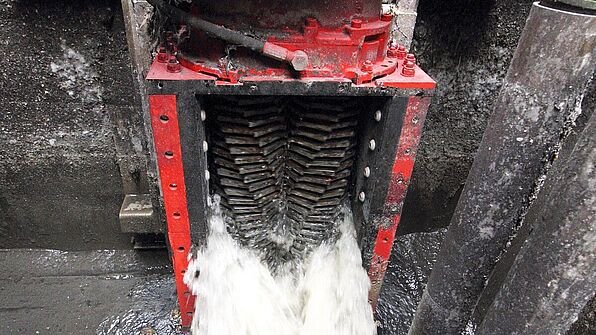
In the world of wastewater treatment, maintaining smooth operations is crucial. Wastewater grinders play a vital role in protecting downstream equipment by breaking down debris. These devices are essential for ensuring that pumps and pipes remain clog-free, thus preventing costly shutdowns and repairs. As a specialized category of screening equipment, grinders represent an alternative or complement to traditional bar and fine screens — instead of capturing and removing solids, they shred them in place so they can pass through the system without causing damage.
Wastewater grinders come in various designs and models, each suited for different applications. They are installed in sewer systems or treatment facilities where solids management is a significant concern. Selecting the right grinder involves considering factors like the specific needs of the facility and the nature of the waste being processed.
Understanding how wastewater grinders function and their benefits can lead to efficiency and cost savings. Operators and facility managers can enhance performance and reduce maintenance issues by choosing the proper grinder setup.
Key Takeaways
- Wastewater grinders protect downstream equipment by reducing debris.
- Selecting the right grinder is essential for efficient treatment.
- Proper use of grinders leads to operational and economic benefits.
Overview of Wastewater Grinders
Wastewater grinders play a crucial role in wastewater treatment processes by breaking down solids and debris. They ensure that the wastewater flows smoothly through pipes and treatment systems, protecting the equipment from damage and blockages.
History and Development
Wastewater grinders have been used for decades to improve wastewater management. Originally, they were simple tools designed to crush and shred solids. As technology evolved, so did the grinders, becoming more efficient. In the late 20th century, advancements in materials and engineering led to the creation of more reliable and effective grinders. Today, modern wastewater grinders feature stainless steel components and advanced cutting mechanisms that can handle various types of waste.
Basic Function and Purpose
The main purpose of a wastewater grinder is to reduce the size of solid materials in wastewater. By grinding up the solids, grinders prevent blockages in pumps and pipes. They also protect downstream equipment from damage caused by larger debris. Wastewater grinders are typically placed near the entry points of a treatment facility or before pumps. They ensure that the treatment process runs smoothly by minimizing the risk of clogs and mechanical failures. This plays a key role in maintaining the overall efficiency of a wastewater system.
Types of Wastewater Grinders
There are several types of wastewater grinders, each designed for specific applications. The most common are the twin-shaft grinders, which use two rotating shafts fitted with blades to shred materials. Single-shaft grinders have only one shaft with blades and are typically used for less demanding applications. Additionally, there are macerator pumps that combine the functions of a grinder and a pump, providing both size reduction and fluid movement.
Choosing the right type of grinder depends on various factors such as the nature and volume of the solids, space constraints, and maintenance requirements. Each type offers distinct advantages in terms of efficiency, reliability, and operational cost.
Subcategory Overview: Grinder Types, Manufacturers, and Detailed Comparisons
Within the broader practice of comminution — the engineering term for size reduction of solids in wastewater — grinders are the dominant equipment category. The H3 sections below cover the specific subtopics that engineers and operators encounter when specifying, comparing, or operating grinders, ranging from broad equipment overviews to head-to-head manufacturer comparisons. Each linked resource focuses on a different angle of the grinder selection and operation problem.
Wastewater Grinders for Efficient Sewage Management
The foundational resource on wastewater grinders for efficient sewage management covers the broad equipment category from the perspective of municipal sewage handling. It examines how grinders integrate with collection-system infrastructure — sewer lift stations, force mains, and headworks — and how their placement affects overall system reliability. Channel grinders installed in headworks channels protect the entire treatment plant from rag-related damage; inline grinders installed in pumped force mains protect specific pumps and downstream equipment; residential grinders installed at individual properties protect collection-system pumps from oversized debris before it enters the gravity sewer. Each placement strategy serves a different protective function and has different sizing and maintenance implications.
Top 10 Channel Grinder Manufacturers
Engineers specifying channel grinders for new headworks installations or retrofit projects benefit from a competitive landscape view. The list of top 10 channel grinder manufacturers for water and wastewater identifies the OEMs that dominate municipal channel-grinder installations — companies like JWC Environmental (Muffin Monster), Vogelsang RotaCut and XRipper, Franklin Miller TASKMASTER, Atlantic Pumps Channel Monster, and Wilo Aquaboost. Channel grinders are characterized by twin-shaft cutters spanning the full channel width, designed to shred large rags and plastics that bar screens would capture. Selection among manufacturers turns on cutter geometry, shaft drive design, controls integration, and aftermarket support.
Top 10 Inline Grinder Manufacturers
For applications requiring grinders inside pumped pipelines rather than open channels, the list of top 10 inline grinder manufacturers highlights manufacturers specializing in pressurized pipeline grinders — Vogelsang, Seepex, JWC Environmental Channel Monster Inline, Boerger Multicrusher, ITT Goulds, and others. Inline grinders are typically twin-shaft units installed in flanged pipe sections; they shred rags before entering progressive cavity pumps, centrifugal sewage pumps, or anaerobic digesters. Sizing inline grinders requires matching the grinder’s pressure rating, flow capacity, and cutter geometry to the upstream and downstream pipe size and pumping conditions.
Top 10 Residential Grinder Manufacturers
The residential grinder market is distinct from municipal applications. The list of top 10 residential grinder manufacturers covers manufacturers of grinder pumps used at individual properties — Liberty Pumps, Zoeller, Goulds Water Technology, Barnes, Franklin Electric, Myers, and others. Residential grinder pumps combine grinding and pumping in a single submersible unit, typically rated 1–2 hp, designed to discharge to a low-pressure sewer system. They are most commonly specified in low-density development areas where gravity sewers are infeasible. Selection criteria include grinder cutter design, pump head and flow capacity, motor reliability, and the manufacturer’s support network for emergency replacement.
Wilo vs Vogelsang Channel Grinder Comparison
Side-by-side OEM comparisons help specifiers narrow choices when two manufacturers are shortlisted. The detailed comparison of Wilo vs Vogelsang channel grinder equipment examines two of the major European channel-grinder OEMs head-to-head — comparing cutter design (number of cutters per shaft, cutter geometry, hardness rating), drive systems (gear motor vs. hydraulic), serviceability (cutter cartridge replacement vs. full unit removal), controls (PLC integration, fault detection, auto-reverse logic), and aftermarket support (parts availability, technical support response time). The comparison helps engineers and operators evaluate which platform best fits their specific channel size, debris load, and maintenance philosophy.
ITT Goulds vs Seepex Inline Grinder Comparison
For inline applications, the comparison of ITT Goulds vs Seepex inline grinder equipment addresses two manufacturers with different design philosophies. ITT Goulds offers inline grinders integrated with their broader pump portfolio — particularly useful for plants standardizing on Goulds equipment for parts inventory simplification. Seepex (now part of the Atlas Copco group) offers grinders integrated with their progressive cavity pump line, where the grinder protects the PCP from rag damage. The comparison covers cutter geometry, pressure rating, flange compatibility, motor and drive options, and integration with each manufacturer’s broader product ecosystem.
Design and Operation
Wastewater grinders play a crucial role in breaking down solids to prevent clogs in sewage systems. This section explores their key components, grinding mechanisms, and essential maintenance practices.
Components of a Wastewater Grinder
A wastewater grinder typically consists of several essential parts. A motor drives the unit, providing the necessary power for grinding. Cutters are sharp, rotating blades that slice through debris. Screens or filters capture larger particles, ensuring only appropriate-sized materials enter the grinder.
The casing houses these components, protecting them from external damage and containing the grinding process. In addition, some grinders have control panels that allow operators to adjust settings and monitor performance.
These components work together to ensure the efficient reduction of solid waste in the water stream.
Mechanism of Grinding
The grinding mechanism involves several processes. When wastewater enters the grinder, it flows through the inlet where solids are captured by rotating cutters. These cutters, mounted on shafts, shred the materials into smaller pieces. The rotational motion helps break down solids into manageable sizes.
Water flow assists in pushing the shredded materials through the screen, ensuring only particles of acceptable size continue downstream. This mechanism is critical to prevent blockages in further processing.
The grinder’s efficiency is enhanced by the precise alignment and sharpness of the cutters. Regular inspection ensures optimal performance and prevents system failures.
Maintenance and Cleaning
Regular maintenance is essential for ensuring a wastewater grinder’s long life and performance. Inspection of important parts like cutters and screens is vital. This process checks for wear or damage, and the replacement of worn parts is often necessary to maintain efficiency.
Cleaning is another important task. Removing debris buildup prevents clogging and maintains flow. This might involve flushing the system with water or using specialized tools to clear obstructions.
Scheduled maintenance checks can prevent costly repairs and downtime. Additionally, training operators on maintenance procedures enhances the reliability of the systems, ensuring they operate smoothly and efficiently.
Application in Wastewater Treatment
Wastewater grinders play a crucial role in managing sewage. They are essential for processing tough solids to prevent clogs and ensure smooth operations. Their application offers numerous benefits to wastewater treatment facilities, improving efficiency and reducing maintenance costs.
Role in Sewage Management
In sewage management, a wastewater grinder is vital for protecting plant processes. It reduces the size of large solids like plastics, rags, and other debris before they reach sensitive areas of the treatment system. By grinding these materials, the risk of blockages within pipes and machinery is minimized, ensuring a continuous flow.
These grinders are particularly important in municipal wastewater systems where diverse waste types converge. They provide a critical line of defense, preventing damage to pumps and reducing the need for frequent manual removal of debris. This ensures that treatment plants can operate efficiently without interruptions caused by clogs or malfunctions.
Processing of Tough Solids
Grinding in wastewater treatment focuses on breaking down non-biodegradable and bulky items that enter the sewage system. Wastewater grinders efficiently handle materials such as wipes, sanitary products, and fibrous foods that could otherwise cause downtime due to equipment jams.
The process involves cutting and shredding these solids into smaller, more manageable sizes. This step is crucial because it prevents adverse material buildup in digesters or other treatment units, which could potentially hinder biological processes. By ensuring that solid materials are adequately processed, grinders help maintain the overall health and efficiency of wastewater treatment systems.
Benefits to Wastewater Treatment Facilities
Implementing wastewater grinders in treatment facilities brings several advantages. First, they significantly lower the operational demands on the overall treatment infrastructure. By reducing clogs, they lessen the wear on mechanical components, extending their lifespan and reducing maintenance costs.
Additionally, these grinders contribute to improved energy efficiency. With fewer disruptions, treatment processes can run more smoothly, utilizing energy resources more effectively. Facilities can also reduce their environmental footprint by decreasing the frequency of direct human intervention for manual cleaning and repairs.
Moreover, modern grinders are equipped with enhanced technologies for improved performance. They offer customizable settings to handle varying loads, making them adaptable to different treatment plant needs. These capabilities ensure that facilities can maintain high standards of wastewater management while optimizing plant operations.
Selection and Installation
Choosing the right wastewater grinder and understanding the installation process are essential for efficient operation. Key factors include the type of grinder, site characteristics, and integration with existing wastewater systems.
Choosing the Right Grinder
Selecting a wastewater grinder involves evaluating the specific needs of the facility. Types of grinders include twin-shaft and single-shaft. Twin-shaft grinders are ideal for heavy-duty tasks, while single-shaft grinders are suitable for smaller operations.
Material and capacity are important. Stainless steel materials offer durability. The grinder’s capacity should match the volume of waste processed daily. Additionally, compatibility with existing wastewater grinder pumps ensures seamless integration. Energy efficiency is also a consideration to reduce operational costs.
Installation Considerations
Proper installation ensures long-term performance. The grinder should be installed in alignment with the flow path to ensure efficient waste processing. Space requirements should be checked to ensure adequate room for maintenance and operation.
Vibration damping techniques, such as rubber mounts, help minimize noise and wear. Adhering to local regulations and safety standards is crucial during installation. Attention to sealing and waterproofing prevents leaks and damage.
Routine checks during installation can avoid future issues. Ensuring components are securely attached reduces wear and tear and extends the grinder’s lifespan.
Integration with Wastewater Infrastructure
Integrating a wastewater grinder with existing infrastructure needs thorough planning. Coordinating with the sewage system setup ensures proper function. Hydraulic design considerations are vital to maintain flow rates and prevent backups.
Compatibility with system controls, like Supervisory Control and Data Acquisition (SCADA), offers streamlined operation. Regular training for operators in using new systems promotes effective integration. Proper electrical setup, including grounding and circuit protection, enhances system safety and reliability.
Retrofitting a grinder requires modifications to existing piping or support structures to accommodate new equipment dimensions. Collaborating with engineers during this process ensures modifications do not hinder overall infrastructure performance.
Selection & Specification Framework: Grinder vs. Screen vs. Combined Approach
One of the foundational decisions in headworks design is whether to use a grinder, a screening system, or both in combination. Each approach has trade-offs that the design team must evaluate against the specific application requirements.
Grinder vs. Bar Screen Decision
The classic alternative to a grinder is a bar screen. The two represent fundamentally different solids-handling philosophies: a bar screen captures and removes debris from the wastewater stream for separate disposal, while a grinder reduces debris in place so it can pass through downstream equipment. Bar screens generate screenings that must be washed, compacted, and landfilled — adding capital cost (washer-compactor, conveyors), operating cost (disposal fees, labor), and odor concerns. Grinders eliminate the screenings handling burden but transfer the responsibility downstream — shredded rags must not damage pumps, must not ragify in aeration diffusers, and must not foul digester mixers. Modern best practice favors bar screens for new municipal plants, with grinders reserved for specific applications: pump station protection, digester feed protection, residential low-pressure systems, and retrofits where space prohibits a screening building.
Decision Logic for Grinder Selection
- Identify the protection target: Lift station pumps (inline grinder upstream), force main pumps (inline grinder), digester feed (inline grinder before digester), or full plant flow (channel grinder at headworks).
- Quantify the debris load: Domestic-only flow, combined sewer flow, and industrial discharge each present different rag and solids profiles. Industrial flows with food processing waste may require heavy-duty cutters.
- Establish flow conditions: Average and peak flow drive grinder sizing. Channel grinders are sized for peak channel flow; inline grinders are sized for peak pumped flow with adequate pressure rating.
- Evaluate downstream equipment sensitivity: Centrifugal sewage pumps tolerate shredded rags better than progressive cavity pumps; aeration diffusers are particularly sensitive to fibrous material that can ragify after shredding.
- Plan for redundancy: Channel grinders should have parallel installation or bypass channels with manual bar screens for use during grinder maintenance.
How Plant Size and Operator Skill Influence the Choice
Small plants and lift stations (under 1 MGD) often install a single inline grinder for protection of a specific pump, since the cost of a grinder is much lower than a screening building. Mid-sized municipal plants (1–10 MGD) generally use bar screens for headworks and reserve grinders for digester feed protection. Large plants (over 10 MGD) almost always use bar screens at headworks (to capture material for disposal rather than transfer it downstream) and may add inline grinders only at specific protection points like centrifuge feed or sludge pumping. Operator skill matters because grinders require attention to cutter wear monitoring and replacement scheduling — without it, a worn grinder passes oversized debris that would have been captured by a properly sharpened unit.
Comparison: Wastewater Grinder Types and Applications
| Grinder Type | Typical Installation | Capacity Range | Cutter Configuration | Best-Fit Application | Operating Considerations |
|---|---|---|---|---|---|
| Channel Grinder (Twin-Shaft) | Open channel at headworks | 0.5–50+ MGD per unit | Two intermeshing cutter stacks across channel width | Plant headworks where bar screen alternative is needed | Cutter wear; requires parallel redundancy or manual bypass |
| Inline Grinder (Twin-Shaft) | Pressurized pipeline (flanged inline) | 50–5,000 gpm per unit | Two intermeshing cutter stacks in housing | Protection of specific pumps or digesters | Pressure rating must match pipe; flange compatibility |
| Inline Grinder (Single-Shaft) | Lower-flow pipelines | 10–500 gpm per unit | Single rotating cutter against fixed stator | Light-duty pump protection, smaller pipelines | Lower capacity than twin-shaft; simpler maintenance |
| Macerator Pump (Combined) | Submersible installation | 20–500 gpm per unit | Cutting impeller integrated with pump impeller | Lift stations, residential and small commercial applications | Replaces both grinder and pump; failure affects both functions |
| Residential Grinder Pump | Property-level pump basin | 5–25 gpm per unit, 1–2 hp | Cutting impeller in submersible pump | Low-pressure sewer collection systems | Customer-owned; emergency service network critical |
| Comminutor (Legacy) | Open channel (older technology) | Variable | Single revolving cutting drum | Replacement applications in older plants | Largely superseded by twin-shaft channel grinders |
| Septage Receiving Grinder | Septage receiving station | Batch capacity 500–5,000 gpm | Heavy-duty twin-shaft | Septage receiving for haulers | Heavy debris load; high cutter wear rate |
| Digester Feed Grinder | Inline before anaerobic digester | Matched to digester feed rate | Twin-shaft, fine-cut configuration | Protecting digester mixers from rag accumulation | Critical for digester reliability; redundancy essential |
| Sludge Grinder | Inline in sludge pipeline | 50–500 gpm typical | Twin-shaft, heavy-duty | Protecting centrifuges, belt presses, sludge pumps | High solids content; cutter material selection critical |
Operational Challenges and Solutions
Wastewater grinders face various operational challenges that can affect performance. Understanding common issues helps in troubleshooting, while recent technological improvements offer solutions for efficiency.
Common Issues and Troubleshooting
Wastewater grinders often encounter issues like clogging, abrasion, and reduced cutting efficiency. Clogging happens when large debris blocks the grinder. Regular inspection and maintenance help prevent this. Abrasion from sand and grit can wear down blades. Using durable materials or coatings can minimize wear.
Reduced cutting efficiency may occur when cutting components dull. Sharpening or replacing blades as needed is crucial. Aligning grinder settings with the specific waste type optimizes performance. Regular oversight by operators ensures small issues are caught early, reducing downtime and repair costs.
Upgrades and Technology Improvements
Recent technology improvements have significantly enhanced wastewater grinder performance. One major advancement is the use of more robust materials for cutting components, increasing durability. Innovative designs also optimize cutting action, reducing energy consumption.
Automation: Many grinders now feature automated controls for ease of use and efficiency. This reduces human error and ensures consistent operation.
Grinder components: Improved sealing systems help prevent leakage and protect internal mechanisms. These upgrades extend the lifespan of the equipment, reducing the need for frequent replacement. Regular updates to control systems and software can also enhance adaptability to various types of waste, ensuring effective grinding for all applications.
Field Notes: Practical Grinder Operations
Commissioning Considerations
Commissioning a new grinder requires more than confirming that the cutters rotate. The unit must be tested under load with simulated debris to verify capture efficiency, motor current draw under realistic conditions, and proper operation of auto-reverse logic when jams occur. Channel grinders require channel-flow testing at peak design conditions to confirm hydraulic distribution and seal integrity. Inline grinders require pressure testing of flanged connections at the design pressure rating. Issues that hide at low load — uneven cutter loading, marginal motor sizing, deficient auto-reverse triggers — only show up under realistic debris stress.
Pro Tip: During commissioning, document baseline motor current draw, run time per day, and cutter clearance measurements. These baselines become the reference for tracking wear over time — rising current at constant flow indicates cutter dulling or jamming; falling current indicates oversized debris bypassing the unit.
Common Specification Mistakes
Three errors recur in grinder specifications. First, designers undersize motor capacity for peak debris loads — a grinder that runs at 80% of motor rating during normal flow has no margin for the rag-heavy storm event that defines real-world performance. Second, redundancy is omitted because the grinder is “small” — but a single grinder in a critical service path (digester feed, primary lift station) becomes a single point of failure that can shut down the plant. Third, downstream equipment compatibility is not verified — a grinder that produces 10 mm fragments may protect against rag damage but still create problems for downstream membranes (which need 3 mm or finer protection) or aeration diffusers (which ragify with any fibrous material).
Common Mistake: Specifying a grinder without specifying its replacement strategy. Cutters are wear items with definite service life — typically 6 months to 3 years depending on debris characteristics. The specification should include cutter inventory, replacement schedule, and access for service without major plant disruption.
Operations & Maintenance Practice
Day-to-day grinder management revolves around three measurements: motor current draw (rising indicates cutter dulling or jamming), run time per day (rising indicates increased debris