
Biological Reactor In Wastewater Treatment
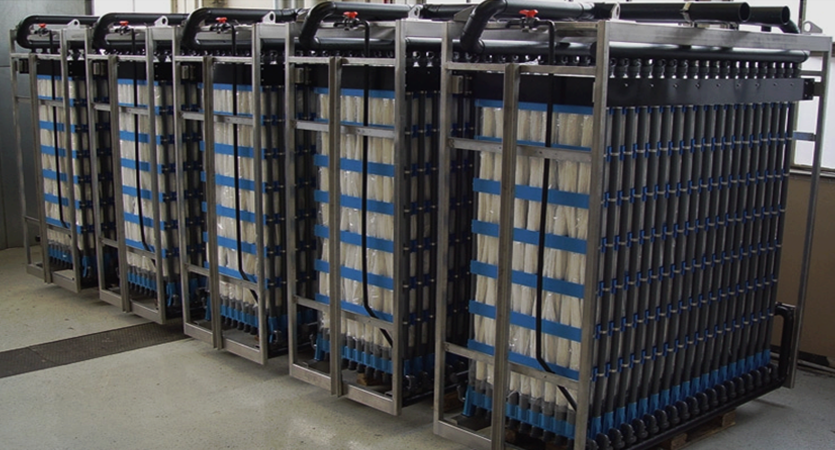
The impetus of sustainable development has driven technological advancements across various sectors, particularly in waste management. One of the most notable advancements is the biological reactor — a key component in modern wastewater treatment facilities. Biological reactors apply natural processes to degrade and remove contaminants from wastewater, playing a vital role in environmental protection and public health. As a specialized equipment and process category within the broader Wastewater Treatment Process, biological reactor design and selection encompasses the full spectrum of suspended-growth, attached-growth, and hybrid configurations — from conventional activated sludge basins to advanced membrane bioreactors and anaerobic digesters — that collectively define how microorganisms are cultivated, sustained, and managed to achieve secondary and tertiary treatment objectives.
Fundamentals of Biological Reactors
What is a Biological Reactor?
A biological reactor, often referred to as a bioreactor, is a vessel or system engineered to support a biologically active environment. In the context of wastewater treatment, bioreactors harness microbial communities to metabolize contaminants, converting them into less harmful substances through biological processes such as aerobic and anaerobic digestion, nitrification, denitrification, and bio-phosphorus removal.
Basic Mechanisms
Aerobic Digestion: In aerobic bioreactors, oxygen is supplied to support the metabolic activities of aerobic microorganisms. These microbes break down organic matter, reducing biochemical oxygen demand (BOD) and chemical oxygen demand (COD) of the effluent. The end products are typically carbon dioxide, water, and biomass. Aerobic heterotrophs achieve typical BOD removal of 85–97% in well-designed and operated systems, with oxygen transfer efficiency being the dominant energy cost driver.
Anaerobic Digestion: Anaerobic bioreactors function in the absence of oxygen, promoting the growth of anaerobic microorganisms that digest organic waste, producing biogas (mainly methane and carbon dioxide) as a byproduct. Anaerobic processes are efficient for high-strength wastes and generate energy-rich biogas — typically 0.35 m³ CH₄ per kg COD removed — making them increasingly attractive for energy-positive wastewater treatment.
Nitrification and Denitrification: These processes involve the conversion of ammonia to nitrate (nitrification) by autotrophic Nitrosomonas and Nitrobacter bacteria, and subsequently nitrate to nitrogen gas (denitrification) by heterotrophic bacteria under anoxic conditions. These reactions are typically carried out in dedicated zones or alternating aerobic/anoxic reactor configurations, reducing total nitrogen in wastewater to prevent eutrophication in receiving waters.
Bio-Phosphorus Removal: Certain bacteria, known as polyphosphate-accumulating organisms (PAOs), cycle through anaerobic and aerobic zones, releasing phosphorus under anaerobic conditions and accumulating it in luxury quantities under aerobic conditions. Enhanced biological phosphorus removal (EBPR) achieves effluent total phosphorus below 1 mg/L in well-designed systems without chemical precipitation.
Types of Biological Reactors
Suspended-Growth Bioreactors
In suspended-growth systems, microbial communities are kept in suspension within the reactor’s liquid phase. The activated sludge process (ASP) — the most widely deployed suspended-growth configuration — mixes wastewater with a concentrated microbial sludge, maintains the biomass in aerated suspension, and separates the treated effluent from the biomass in a secondary clarifier. Activated sludge systems are further categorized into conventional activated sludge, extended aeration (with SRT of 15–30 days), oxidation ditches, and sequencing batch reactors (SBRs) that perform all treatment phases sequentially in a single tank.
Sequencing batch reactors (SBRs) carry out treatment in batches, with cycles typically consisting of fill, react, settle, decant, and idle phases, allowing for flexible operation and efficient nutrient removal without separate secondary clarifiers or anoxic selector tanks. Membrane bioreactors (MBRs) combine activated sludge treatment with membrane filtration, providing superior effluent quality (TSS below 5 mg/L) and eliminating the secondary clarifier — at higher energy and capital cost than conventional ASP but with a significantly smaller footprint.
Attached-Growth Bioreactors
In attached-growth systems, microorganisms grow on the surface of submerged or fixed media, forming biofilms that degrade organic matter and remove nutrients as wastewater flows past. Trickling filters distribute wastewater over a bed of media (rock or plastic), creating a biofilm that degrades organic material as wastewater percolates through — achieving BOD removal of 65–85% at low energy cost. Rotating biological contactors (RBCs) use media mounted on rotating discs partially submerged in wastewater, with disc rotation providing periodic exposure to air and wastewater. Moving bed biofilm reactors (MBBRs) use floating plastic carriers that provide a large surface area (typically 200–600 m²/m³ of carrier) for biofilm growth while being mixed within the reactor, offering resistance to shock loads and ease of retrofitting into existing activated sludge tanks.
Hybrid Systems
Hybrid systems combine elements of both suspended-growth and attached-growth technologies to offer enhanced performance. Integrated fixed-film activated sludge (IFAS) systems incorporate fixed biofilm media within activated sludge reactors, increasing the volumetric treatment capacity of existing tanks without expansion — the biofilm community provides additional nitrification capacity that supplements the suspended growth community during periods of high load or cold temperature.
Subtopic Overview: Biological Reactor Types
Beyond the conventional activated sludge and attached-growth configurations that have dominated biological wastewater treatment for decades, specialized reactor designs address specific treatment objectives, flow conditions, and site constraints that conventional systems handle poorly. The subtopics below address two key biological reactor technology variants covered in depth on this site.
Vertical Loop Reactors in Wastewater Treatment
Vertical loop reactors in wastewater treatment and sustainability represent a reactor geometry innovation that achieves both enhanced oxygen transfer efficiency and improved mixing performance compared to conventional horizontal-flow activated sludge channels, by directing mixed liquor through a vertical circulation loop that maximizes the air-water contact path length and creates a cyclonic flow regime that resuspends settled solids before they compact. The vertical loop reactor (VLR) configuration combines the oxidation ditch concept with a vertical circulation pattern — air is injected at the bottom of the downflow leg, driving both oxygenation and the circulatory flow that maintains biomass in suspension throughout the reactor volume without separate mechanical mixers. The vertical geometry allows a smaller footprint per unit of treatment volume than equivalent horizontal oxidation ditches for the same hydraulic retention time, while the extended air-water contact path achieves standard oxygen transfer efficiencies (SOTE) comparable to fine-bubble diffuser systems at lower blower energy for the same dissolved oxygen target. VLRs have been applied at both municipal and industrial wastewater treatment plants where nitrogen removal is required alongside BOD reduction, as the upper aerobic zone and lower anoxic zone created by the vertical flow pattern can be tuned to achieve simultaneous nitrification and denitrification (SND) within a single reactor vessel — eliminating the need for separate pre-anoxic tanks and recycle streams in some treatment configurations. Long-term operational data from VLR installations shows consistent ammonia removal above 95% and total nitrogen removal of 70–85% in climates where winter temperatures maintain mixed liquor above 12°C, with performance declining predictably at lower temperatures as nitrifier growth rates slow.
Bioreactor Wastewater Treatment
Bioreactor wastewater treatment — taken as a comprehensive technology category rather than a specific reactor type — encompasses the full design and operational science of engineering the microbial community within a treatment vessel to achieve consistent, predictable contaminant removal across the range of flow, load, and temperature conditions that the facility will experience over its design life. The distinction between designing a bioreactor and simply installing a treatment tank lies in the rigor with which the biological community is cultivated, maintained, and protected — the microbial community in a well-operated bioreactor is as much a managed resource as the mechanical equipment, and the critical process control parameters (SRT, dissolved oxygen, mixed liquor suspended solids, return sludge rate) must be actively managed to maintain the community composition needed for the target treatment performance. Membrane bioreactors (MBRs) represent the current high-performance benchmark for bioreactor wastewater treatment at municipal scale, combining the biological degradation of activated sludge with membrane separation at pore sizes of 0.04–0.4 µm that achieve effluent turbidity below 0.2 NTU and fecal coliform below detection limits — a tertiary-equivalent effluent quality in a single combined biological-filtration step. Anaerobic membrane bioreactors (AnMBRs) extend the MBR concept to anaerobic treatment, coupling the energy advantage of methane production with membrane effluent quality — a technology at pilot-to-demonstration scale that could enable energy-positive municipal wastewater treatment if dissolved methane recovery and membrane fouling challenges can be resolved at full scale. Granular sludge bioreactors — including aerobic granular sludge (AGS) systems such as the Nereda process — cultivate dense, fast-settling microbial granules rather than conventional flocculent sludge, enabling simultaneous aerobic, anoxic, and anaerobic conditions within each granule and achieving biological nutrient removal in a single sequencing batch reactor with 30–50% smaller footprint than equivalent conventional activated sludge plants.
Design and Operational Considerations
Reactor Design
Designing a biological reactor requires a comprehensive understanding of wastewater properties, desired effluent quality, and site-specific conditions. Key design parameters include:
Hydraulic Retention Time (HRT): The time wastewater remains in the reactor — typically 4–8 hours for conventional activated sludge, 12–24 hours for extended aeration, and 6–12 hours for MBR systems. HRT must be matched to the flow variability profile, as peak wet-weather flows can reduce effective HRT to a fraction of the design value if equalization is not provided.
Solids Retention Time (SRT): The time biomass remains in the reactor — the single most critical design parameter for biological reactor performance. SRT of 5–10 days supports BOD removal; 10–15 days supports nitrification at mesophilic temperatures; 15–25 days supports stable extended aeration and enhanced biological phosphorus removal. Longer SRT produces more stable performance with lower sludge yield, at the cost of larger reactor volume.
Aeration and Mixing: For aerobic reactors, fine-bubble diffused aeration achieves standard oxygen transfer efficiency (SOTE) of 20–35% per meter of submergence, compared to 5–8% for coarse-bubble systems — the choice has a direct and significant impact on energy cost. Proper mixing ensures uniform distribution of microorganisms and substrates, preventing dead zones and short-circuiting.
Loading Rates: Both organic loading rate (kg BOD/m³/day, typically 0.3–1.5 for conventional ASP) and hydraulic loading rate influence reactor performance. The food-to-microorganism (F/M) ratio governs the metabolic state of the microbial community and its sludge settling characteristics.
Environmental Conditions: Temperature profoundly affects nitrification kinetics — nitrifier growth rates halve approximately every 7°C reduction below 20°C, and nitrification essentially stops below 5°C in conventional systems without supplemental heating. pH must be maintained in the range of 6.5–8.5 for most biological communities, with nitrification particularly sensitive to pH below 6.5 due to inhibition of Nitrobacter.
Operational Aspects
Start-up and stabilization requires initial seeding with active microbial cultures, gradual loading increases over 4–12 weeks, and continuous monitoring of biomass concentration, dissolved oxygen, and effluent quality. Regular measurement of dissolved oxygen, nutrient levels, and biomass concentration is critical. Advanced systems integrate online sensors (DO, NH₄⁺, NO₃⁻, MLSS) and automated control loops to maintain optimal conditions and respond to load variations without manual intervention. Sludge management — handling, thickening, dewatering, and disposing or beneficially using excess biomass — represents 30–50% of total plant operating cost at many facilities and must be integrated into the biological reactor design from the outset.
Comparison of Biological Reactor Configurations
| Reactor Type | Growth Type | BOD Removal | Nutrient Removal | Footprint | Energy Use | Best-Fit Applications | Key Limitation |
|---|---|---|---|---|---|---|---|
| Conventional Activated Sludge (CAS) | Suspended | 85–95% | Limited (with BNR modifications) | Medium | Medium (0.3–0.6 kWh/m³) | Medium-large municipal; industrial; adaptable to BNR | Secondary clarifier required; vulnerable to bulking sludge |
| Membrane Bioreactor (MBR) | Suspended + membrane | 96–99% | Yes (with BNR configuration) | Very compact | High (0.6–1.5 kWh/m³) | Space-constrained sites; reuse quality; no secondary clarifier | Membrane fouling; high O&M; membrane replacement cost |
| Sequencing Batch Reactor (SBR) | Suspended | 85–95% | Yes (flexible cycle control) | Compact (no clarifier) | Medium–High | Variable flow; BNR; smaller communities; intermittent flow | Complex cycle control; decanting risk; less suited to very large flows |
| Vertical Loop Reactor (VLR) | Suspended | 88–96% | Yes (SND within reactor) | Compact vs. oxidation ditch | Medium (enhanced O₂ transfer) | N removal; energy-efficient aerobic treatment; industrial | Requires careful tuning of aeration vs. denitrification zones |
| Moving Bed Biofilm Reactor (MBBR) | Attached (moving carriers) | 70–90% | Yes (with pre-anoxic or anammox) | Compact (no secondary clarifier if combined with DAF) | Low–Medium | Retrofit of existing tanks; shock load tolerance; nitrification upgrade | Lower BOD removal than ASP alone; requires downstream solids separation |
| Trickling Filter | Attached (fixed media) | 65–85% | Limited nitrification only | Large (media volume) | Very Low | Small communities; energy-limited; warm climates | Lower BOD removal; odor potential; cold-climate performance |
| UASB (Anaerobic) | Suspended (granular) | 60–80% | No (post-treatment required) | Compact | Net energy positive (biogas) | High-strength industrial WW; warm climates; energy recovery | Post-treatment required for nutrients and pathogens |
| Aerobic Granular Sludge (Nereda) | Suspended (granular) | 90–97% | Yes (simultaneous N and P removal) | Very compact (30–50% smaller than CAS) | Medium (lower than CAS) | BNR; new construction; retrofit; water reuse | Limited full-scale track record vs. CAS; granule stability requires careful operation |
Advantages and Challenges
Advantages
Eco-Friendly: Biological reactors utilize natural processes, resulting in fewer chemicals and lower energy consumption compared to purely physical or chemical treatments. Modern aerobic reactors paired with anaerobic digestion of waste sludge can approach energy-neutral operation by recovering methane from the digestion process.
High Efficiency: Modern bioreactors achieve significant reductions in BOD (85–99%), COD, nitrogen (50–90% with BNR), and phosphorus levels, producing high-quality effluent suitable for various reuse applications.
Versatility: Biological reactors can treat a wide range of wastes from municipal to industrial effluents, and can be configured for specific treatment objectives through SRT manipulation, zone sequencing, and media selection.
Energy Recovery: Anaerobic systems produce biogas — a renewable energy source that can offset operational costs. Typical biogas yield from municipal sludge anaerobic digestion is 0.8–1.1 m³ CH₄ per kg volatile solids destroyed, with energy content of approximately 6.5 kWh/m³ CH₄.
Challenges
Complexity: Design, installation, and operation of bioreactors require specialized expertise. The biological community must be actively managed — SRT, aeration, and recycle rates must be continuously monitored and adjusted.
Cost: Initial capital investment for advanced MBR systems can be high, though operational efficiencies and smaller footprint often offset these costs over the facility’s design life.
Sludge Handling: Managing excess biomass requires proper dewatering, disposal, or beneficial use, adding significant operating cost and complexity.
Sensitivity: Biological systems can be sensitive to toxic influents, temperature fluctuations, and environmental changes, necessitating robust monitoring, equalization, and control systems.
Field Notes: Practical Guidance for Biological Reactor Design
SRT Selection and Its Consequences
The most consequential single design decision for any biological reactor is the selected SRT, because SRT simultaneously determines the microbial community composition, treatment performance, sludge production rate, reactor volume, and resilience to operational upsets. Operators and designers who understand the SRT-performance relationship can troubleshoot most biological treatment problems by examining whether actual SRT is being maintained at the design value — low SRT causes poor nitrification performance, poor settling sludge, and high effluent BOD; excessively high SRT causes poor settleability from bulking filamentous organisms and reduced sludge production that can leave secondary clarifiers hydraulically stressed without adequate return sludge. For context on how aerobic biological reactor operation relates to the broader aerobic treatment process, the Aerobic Wastewater Treatment resource covers the microbiology, oxygen requirements, and process configurations for aerobic secondary treatment in depth. The Types Of Wastewater Treatment Plants resource addresses how different biological reactor types are integrated into complete treatment plant configurations — from small package plants to large regional facilities — providing the system-level context for biological reactor selection. For plants evaluating biological nutrient removal configurations, the MLE Process for Wastewater Treatment covers the modified Ludzack-Ettinger configuration — one of the most widely deployed nitrogen removal reactor configurations — in detail, including pre-anoxic zone sizing, internal recycle design, and SRT requirements for combined nitrification-denitrification.
Common Design and Operational Mistakes
The most frequent biological reactor design error is specifying reactor volume based on average daily flow and average influent BOD concentration without characterizing the peak load — the 90th percentile flow-weighted BOD concentration that occurs during storm events, industrial discharge peaks, or seasonal population fluctuations. A reactor sized for average conditions routinely receives 2–3× its design load during peak events, causing sludge washout from secondary clarifiers, loss of nitrification, and permit exceedances that are structurally unavoidable rather than operationally recoverable. A second common mistake is not accounting for the impact of inorganic suspended solids (ISS) accumulation in the reactor — ISS from grit, non-biodegradable organic matter, and chemical precipitation products progressively dilutes the volatile fraction of MLSS, reducing the active biomass fraction and appearing as elevated MLSS while actual biological capacity declines.
Evolving Technologies
Biological treatment technologies continue to evolve, driven by the need for improved efficiency, sustainability, and cost-effectiveness. Emerging trends include:
Advanced Metabolic Engineering: Genetic engineering and synthetic biology are being explored to enhance microbial capabilities, enabling more efficient pollutant breakdown and nutrient recovery.
Integrated Systems: Combining biological treatment with physical, chemical, and advanced oxidation processes creates hybrid solutions that provide comprehensive wastewater treatment beyond the capability of biological processes alone.
Resource Recovery: Focus is shifting towards resource recovery, with systems designed for nutrient extraction (phosphorus recovery as struvite) and water reuse, contributing to circular economy principles.
Automation and AI: Smart sensors, real-time monitoring, and artificial intelligence-driven control systems optimize reactor performance, enhance process stability, and reduce operational costs through demand-based aeration and predictive maintenance.
Anammox and Deammonification: Partial nitritation-anammox (PN/A) processes — including SHARON/ANAMMOX and DEMON configurations — achieve nitrogen removal at 60% less energy and without the carbon source required by conventional denitrification, representing the most significant nitrogen removal technology advance of the past two decades.
Case Studies
Municipal Wastewater Treatment: Singapore DTSS
Singapore’s Deep Tunnel Sewerage System (DTSS) exemplifies cutting-edge wastewater management, integrating extensive use of bioreactor technology. The Changi Water Reclamation Plants employ advanced MBR systems to achieve high effluent quality, contributing to Singapore’s water reuse initiatives under the NEWater program. The successful implementation showcases the potential of large-scale bioreactors in urban wastewater management and water reclamation at national scale.
Industrial Wastewater Treatment: Anaerobic Digestion at a Dairy Processing Plant
A dairy processing plant in the Netherlands implemented an anaerobic digestion system to treat high-strength wastewater. The bioreactor efficiently reduced organic load, generating biogas used for on-site energy needs. The project not only improved wastewater quality but also enhanced the plant’s sustainability by transforming waste into a resource — demonstrating the energy-positive potential of anaerobic biological reactor technology for high-strength industrial streams.
Conclusion
Key Takeaways
- SRT is the single most consequential design parameter for biological reactors — it simultaneously determines microbial community composition, treatment performance (BOD removal, nitrification, EBPR), sludge production rate, and reactor volume; operators who maintain SRT at target values through active WAS control prevent the majority of biological treatment process upsets before they develop.
- Membrane bioreactors achieve tertiary-equivalent effluent quality in a single biological treatment step — eliminating the secondary clarifier while producing TSS below 5 mg/L and turbidity below 0.2 NTU, at the cost of higher energy consumption (0.6–1.5 kWh/m³) and membrane replacement requirements that must be factored into the 20-year lifecycle cost comparison against conventional activated sludge.
- Vertical loop reactors and aerobic granular sludge represent the leading compact reactor innovations for biological nutrient removal — both achieve simultaneous nitrification-denitrification and phosphorus removal in smaller footprints than equivalent conventional activated sludge BNR configurations, at comparable or lower energy consumption.
- Peak load, not average load, governs biological reactor sizing — reactors designed for average conditions will experience sludge washout, nitrification loss, and permit exceedances during the peak flow-load events that are statistically certain to occur multiple times per year at most facilities.
- Anammox-based nitrogen removal is the most significant biological reactor process advance in two decades — achieving 60% energy reduction and eliminating the carbon source requirement of conventional denitrification for high-ammonia streams (reject water, industrial effluent), with mainstream application at lower ammonia concentrations remaining an active area of full-scale demonstration.